


By: J.J. Pavlick | Elmont, NY | October 17, 2026 |
NEW YORK, N.Y. — A fatal afternoon shooting inside a tourist-heavy Midtown Manhattan subway station has intensified the political battle over public safety, transit security, and institutional accountability in New York.
Gunfire erupted on Saturday, October 17, 2026, inside the 7th Avenue and 53rd Street station at 12:21 p.m., resulting in the death of a male victim. The targeted attack occurred on a crowded northbound platform just as an E train opened its doors, sending weekend commuters and visitors fleeing in panic. The incident marks the seventh homicide within the New York City transit system this year—representing a 75% increase in transit murders compared to the same period in the prior year.
The shooting has reignited sharp criticism from civic organizations, political opponents, and local commuters who connect the rise in high-profile transit violence directly to the legislative and judicial policies enforced by Governor Kathy Hochul, Attorney General Letitia James, and Manhattan District Attorney Alvin Bragg.
Execution of the Midtown Shooting
According to the New York City Police Department (NYPD), the fatal encounter stemmed from a targeted dispute between the victim, the gunman, and a third individual on the platform. Witnesses reported hearing two distinct gunshots spaced roughly eight seconds apart.
Bystanders and first responders administered immediate cardiopulmonary resuscitation (CPR) on the platform floor before emergency medical services rushed the victim in cardiac arrest to Bellevue Hospital, where he was pronounced dead.
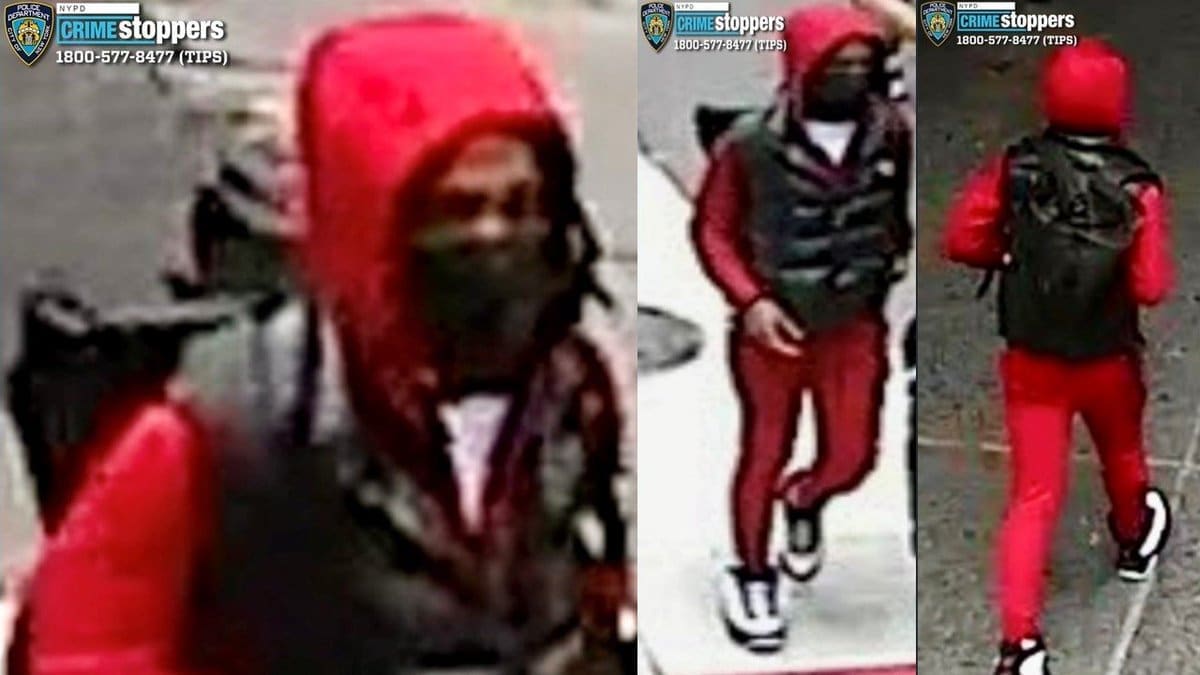
The NYPD launched a massive manhunt for the suspect, described as armed and dangerous. Surveillance footage captured the alleged gunman fleeing the station wearing a red tracksuit, a black puffer vest, and a black balaclava mask. Authorities confirmed that a weapon has not yet been recovered at the scene.
MTA Chief Security Officer Michael Kemper issued a statement reiterating that the agency is actively coordinating with the NYPD to apprehend the perpetrators and stating that they “should face maximum consequences from the justice system.” “Guns have no place in transit, which is why we’ve strongly supported New York State’s legal fight to make sure it’s illegal to carry them in the subway system.”
MTA Chief Security Officer Michael Kemper is calling for the DA and AG to do their jobs
Critics Point to Albany and Manhattan Leadership
The escalation in transit fatalities has placed New York’s top executive and judicial officials under an intense spotlight, with critics arguing that state bail laws and progressive prosecutorial frameworks have compromised public safety and deteriorated the quality of life in the metropolitan area.
- Governor Kathy Hochul: Opponents argue that the executive chamber has failed to enact comprehensive rollbacks of the state’s controversial 2019 bail reform laws. While Governor Hochul previously deployed the National Guard to conduct bag checks at select transit hubs, critics characterize these measures as temporary public relations responses rather than permanent structural solutions to recidivism and violent crime. Her love of criminals, especially illegals, should be more than enough to unseat her in November and allow real leadership to take over.
- District Attorney Alvin Bragg: The Manhattan District Attorney’s office faces ongoing scrutiny for day-one policy directives aimed at reducing pretrial detention and downgrading certain low-level offenses. Detractors argue that a perceived lack of aggressive prosecution for lower-tier infractions fosters an environment of lawlessness, emboldening violent offenders within public spaces like the MTA network. He has failed to prosecute criminals for their actions, including illegals who have been murdering New Yorkers.
- Attorney General Letitia James: Critics contend that the state’s chief legal officer has prioritized high-profile civil litigation and political investigations over providing robust legal defenses for municipal law enforcement. Legal advocacy groups argue that state-level policy shifts have constrained police officers’ operational capacity, contributing to a sense of vulnerability among daily commuters. The all-talk AG has failed the state; she is more focused on got-you quotes than doing actual legal work.
Economic Fallout and the Tourism Impact
The location of the shooting—situated in Midtown West along primary tourist corridors—highlights growing concerns regarding the state’s economic health. Business coalitions and hospitality industry analysts have warned that persistent headlines detailing subway violence threaten New York’s multi-billion-dollar tourism economy.
While city officials have consistently pointed to overall statistical decreases in broader categories of municipal crime, public perception remains deeply fractured. Commuters and out-of-state visitors speaking to reporters expressed deep skepticism regarding official assurances of safety.
“I don’t feel safe in the city, and I absolutely don’t feel safe on the train at all,” said Leslie, a 50-year-old housekeeper from the Bronx.
Visitors to the city echoed the sentiment, questioning whether the transit infrastructure will eventually require extreme security upgrades. “Are they going to have to put in metal detectors in the subway now?” asked Priscilla Rodriguez, a data analyst visiting from Rhode Island.
With the upcoming standard general elections scheduled to take place across New York State in a few weeks, the statistical spike in transit homicides ensures that criminal justice reform, judicial accountability, and the daily safety of the state’s transportation infrastructure will remain central focal points for voters heading to the polls.
Discover more from Bad Dawg Media Group
Subscribe to get the latest posts sent to your email.


