


By: J.J. Pavlick | New York, NY | April 12, 2026 |
Long before lawsuits, mandates, or political debates, Rosary Hill Home stood for one thing: mercy for the forgotten.
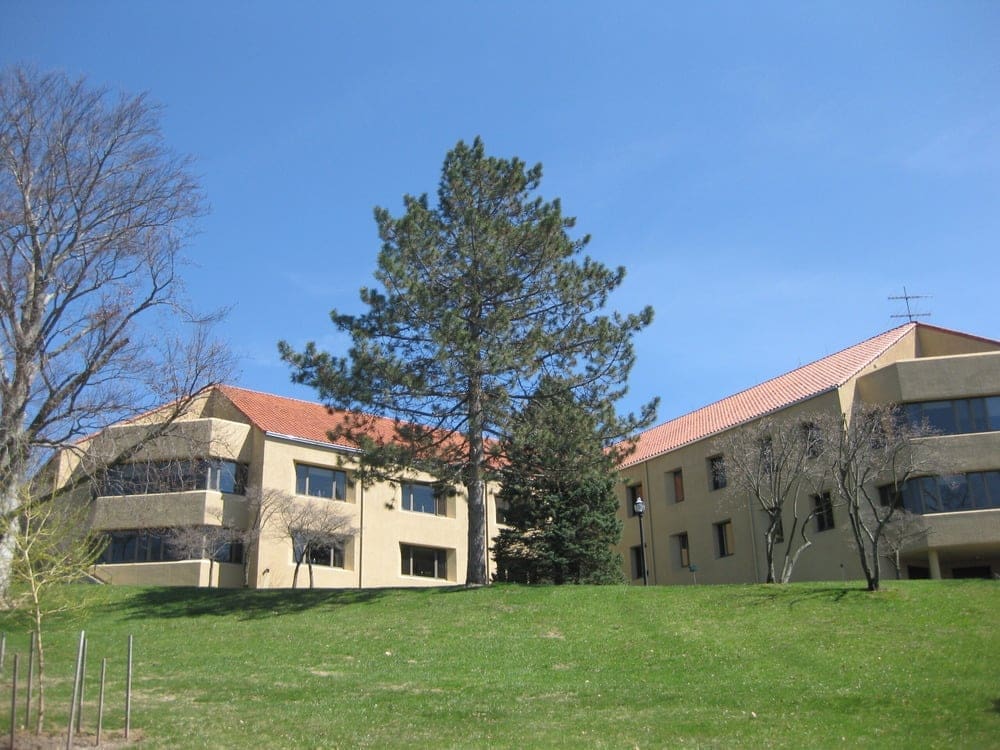
Founded in 1901 by Rose Hawthorne Lathrop—daughter of novelist Nathaniel Hawthorne—the home was built on a simple conviction: that the poor should not die alone, in pain, or without dignity. What began as a mission of compassion in the early 20th century has become one of the most quietly heroic institutions in New York.
For 125 years, the Dominican Sisters of Hawthorne have carried that mission forward without wavering.
A Mission Rooted in Service, Not Profit
The sisters’ work is simple in structure but profound in impact. They have:
- Cared for impoverished cancer patients at no cost
- Provided round‑the‑clock nursing, comfort, and companionship
- Sat at bedsides when families could not
- Offered spiritual support to anyone who wanted it
- Operated entirely through donations and volunteerism
There is no billing department, no insurance paperwork, no financial screening. Just compassionate care from the nuns, in line with the Catholic Church.
“We cannot cure our patients, but we can assure the dignity and value of their final days and keep them comfortable and free of pain.”
Rose Hawthorne, Foundress
(Mother Mary Alphonsa, O.P.)
The sisters live on the property, take vows of poverty, and devote their lives to the dying. Their work is physically demanding, emotionally draining, and spiritually rooted — the kind of labor that doesn’t make headlines but defines humanity at its best.
Rosary Hill Home has become a rare institution in modern healthcare—a place where the final days of life are met with presence, not profit. And now, for the first time in its history, that mission is directly at risk.
Why People Are Rallying Behind Them
Supporters of Rosary Hill Home — from former families to religious‑liberty advocates to everyday New Yorkers point to the same core truths:
- The sisters’ mission is irreplaceable
- Their service fills a gap no government agency or hospital system covers
- Their religious identity is inseparable from their work
- Losing Rosary Hill Home would leave vulnerable patients with nowhere to go
The Dominican Sisters did not seek the spotlight. They did not seek a fight. But the lawsuit surrounding New York’s gender‑identity mandate has thrust them into a national conversation—one that many believe will determine whether they can continue serving the dying poor as they always have.
A Home Built on Faith and Sacrifice
Rosary Hill Home is not a facility in the corporate sense. It is a community. A place where the sisters pray with patients, laugh with them, and sit with them in the quiet hours when the world feels far away.
Their founder, Rose Hawthorne, believed that the poor deserved the same dignity in death as the wealthy. That belief became the foundation of the Hawthorne Dominicans—and it remains the heartbeat of Rosary Hill today.
The sisters’ daily work is not glamorous. It is intimate, physical, and often heartbreaking. But it is also sacred. And it is offered freely.
How People Can Help
Rosary Hill Home survives entirely on donations and the generosity of those who believe in its mission. Supporters can:
- Donate directly to the Dominican Sisters of Hawthorne
- Volunteer time or services
- Share the story to raise awareness
- Support legal defense efforts through approved channels
- Advocate for religious‑liberty protections for faith‑based care providers
For a home that has never charged a patient a dollar, public support is not just helpful—it’s essential.
Rosary Hill Home has never chased headlines or political battles—they’ve chased suffering and met it with mercy. If New York loses places like this, it loses part of its soul.
For coverage that keeps the focus on the people who matter—the ones serving, the ones caring, the ones holding the line—stay with Bad Dawg Sports, where we don’t just tell the story.
We run with the pack.
Discover more from Bad Dawg Media Group
Subscribe to get the latest posts sent to your email.