
By J.J. Pavlick
Newark, NJ — Fresh off a statement win in Washington, D.C. in front of 17,228 fans, the New York Sirens came home to Newark and fell to the Ottawa Charge at Prudential Center in an atmosphere that felt like the polar opposite. The contrast wasn’t just in the stands—it was in the details that decide games in this league: special teams, slot coverage, and late-game execution.
New York had every chance to take control early. They didn’t. And when they finally found life, they still couldn’t finish the job in overtime.
A Note on the Lineup: Taylor Girard’s Absence—and the Rule Debate
The Sirens were also without Taylor Girard, a notable absence tied to a league discipline decision stemming from the team’s previous game. The PWHL’s stated basis: Girard stepped onto the ice while an altercation was ongoing after the final buzzer—an action the league says violates its rule against leaving the bench to become involved in an altercation.
Here’s where the debate gets louder than the explanation. The league has framed the standard as mirroring the NHL’s policy, but the NHL historically punishes direct involvement in the altercation, not merely stepping onto the ice.
The most cited modern NHL example in this specific category is Paul “Biz Nasty” Bissonnette in 2013 with the Arizona Coyotes. He was initially suspended 10 games, appealed, and the NHL reduced it to three—acknowledging some responsibility but noting a lack of conclusive evidence to justify the longer ban (a reduction that reportedly cost him roughly $11,346). A later 10-game suspension in 2017 for Luke Witkowski was tied to a different scenario—being ejected and then returning to the ice.
Whether you agree with the PWHL’s interpretation or not, the league is clearly drawing a hard line here, and the Sirens paid the price for it in the lineup.
EA SPORTS NHL 26
Feel every hit. Own every shift.
New ways to play. Faster, smarter hockey. Ready to drop the puck?
Getin The Game Now!! BUY NOW
First Period: Penalties Everywhere, Momentum Nowhere
Ottawa arrived with purpose after a 4–0 loss to the Sirens earlier this season (Nov. 22, 2025). The Charge took four penalties in the opening period, including a prolonged 5-on-3 sequence that should’ve tilted the ice. Instead, it exposed the Sirens’ biggest ongoing issue: a power play that generates time, not danger.
Penalty sequence (1st):
- 11:08 — Fanuza Kadirova, interference on goaltender (NY PP)
- 12:49 — Alexa Vasko, roughing (NY PP)
- 13:04 — Brooke Hobson, delay of game (NY PP)
New York came up empty on all of it—no momentum, no quality looks, no statement. Ottawa, meanwhile, needed far less to strike first.
At 8:37, Gabbie Hughes (2) was left alone in the slot and buried the opener, assisted by Emily Clark (1). Later, after surviving the extended kill, Ottawa made it 2–0 when Rebecca Leslie (6) scored from the slot again, assisted by Stephanie Markowski (2) and Brianne Jenner (6).
Two goals from prime real estate. Same problem, different night.
The Sirens went to intermission down two and still searching for traction.
Second Period: Ottawa Punishes, New York Finally Breaks Through
The rhythm stayed choppy. The whistle kept arriving. But the bigger story wasn’t the officiating—it was what happened the moment Ottawa got back to even strength.
After another New York power play fizzled, Jenner exited the box and immediately joined the rush. The puck moved through Hughes to Leslie, and Leslie delivered a cross-crease pass to a wide-open Jenner for the tap-in. Goal: Jenner (8). Assists: Leslie (5), Hughes (6).

That’s the difference: Ottawa’s best looks were decisive, direct, and inside the dots. While New York’s was perimeter time and hope.
The Sirens finally got on the board at 12:41 when Jaime Bourbonnais (1) scored from the mid-slot off a broken play in front. Assists went to Kristýna Kaltounková (1) and Sarah Fillier (7). It was a needed goal, but it didn’t change the reality—Ottawa still looked in control.
And yet, after the game, Head Coach Greg Fargo pointed to the context and the response.
“Not the result that we want in the end,” Fargo said, “but a super resilient effort from our team today. I thought having played three games in five nights, the travel, I’m really proud of the group and how they fought back.”
Sirens News:
- Take Over Tour: NY Sirens vs. Montréal Victoire Electrifies D.C.
- Frost Deactivate Sirens in New Jersey: Another Night of Missed Opportunities
- Unity on Ice: New York Sirens Celebrate Hispanic Heritage with Vibrant Community Night
Third Period: A Rally Worth Applauding—Until It Wasn’t
The third period had more urgency, more push, and—finally—more response from the Sirens. Fargo said the turning point was as much mental as tactical.
“We found ourselves in that 3–0 hole,” he said. “Just a good conversation on the bench… we were doing some good things, but it hadn’t sustained a whole lot at that point. Our group did a really nice job of finding a way to get one there in the second. And then I just think it carried into the third period.”
New York’s power play finally delivered when Kristin O’Neill (3) scored with traffic in front, assisted by Casey O’Brien (5) and Sarah Fillier (8), cutting it to 3–2 with 9:05 left.
Then the equalizer: Anne Cherkowski (2) tied it at 13:38 with a shot from the blue line, assisted by Jincy Roese (5). Suddenly, a game Ottawa controlled for 40 minutes was level with six minutes left—and the momentum had flipped.
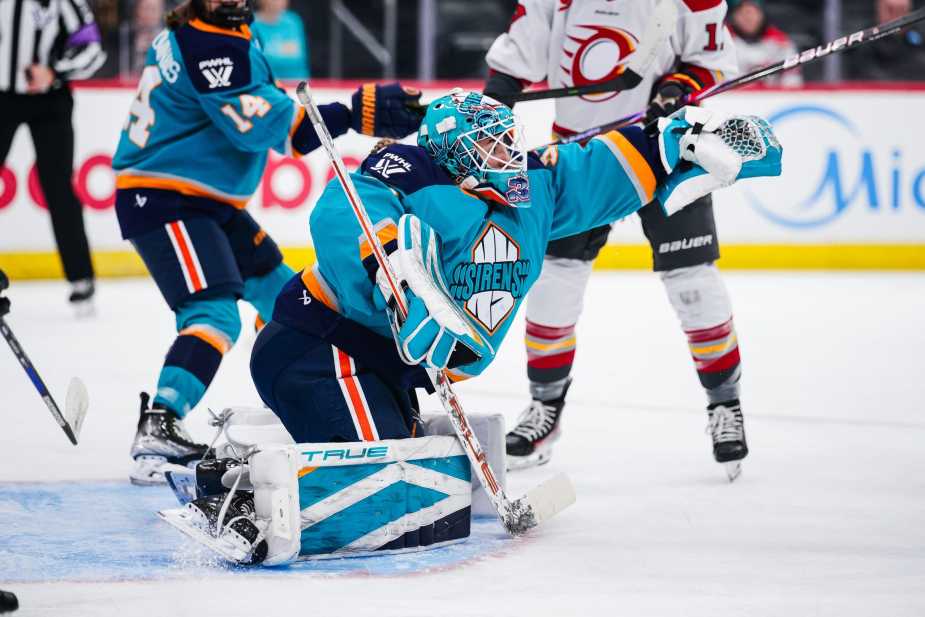
Ottawa took their seventh penalty with 1:48 remaining when Fanuza Kadirova was called for tripping. Fargo used his timeout at 1:36 to draw it up.
New York didn’t score. The comeback was real, but the finish wasn’t.

Overtime: A Point Earned, Another Lesson the Hard Way
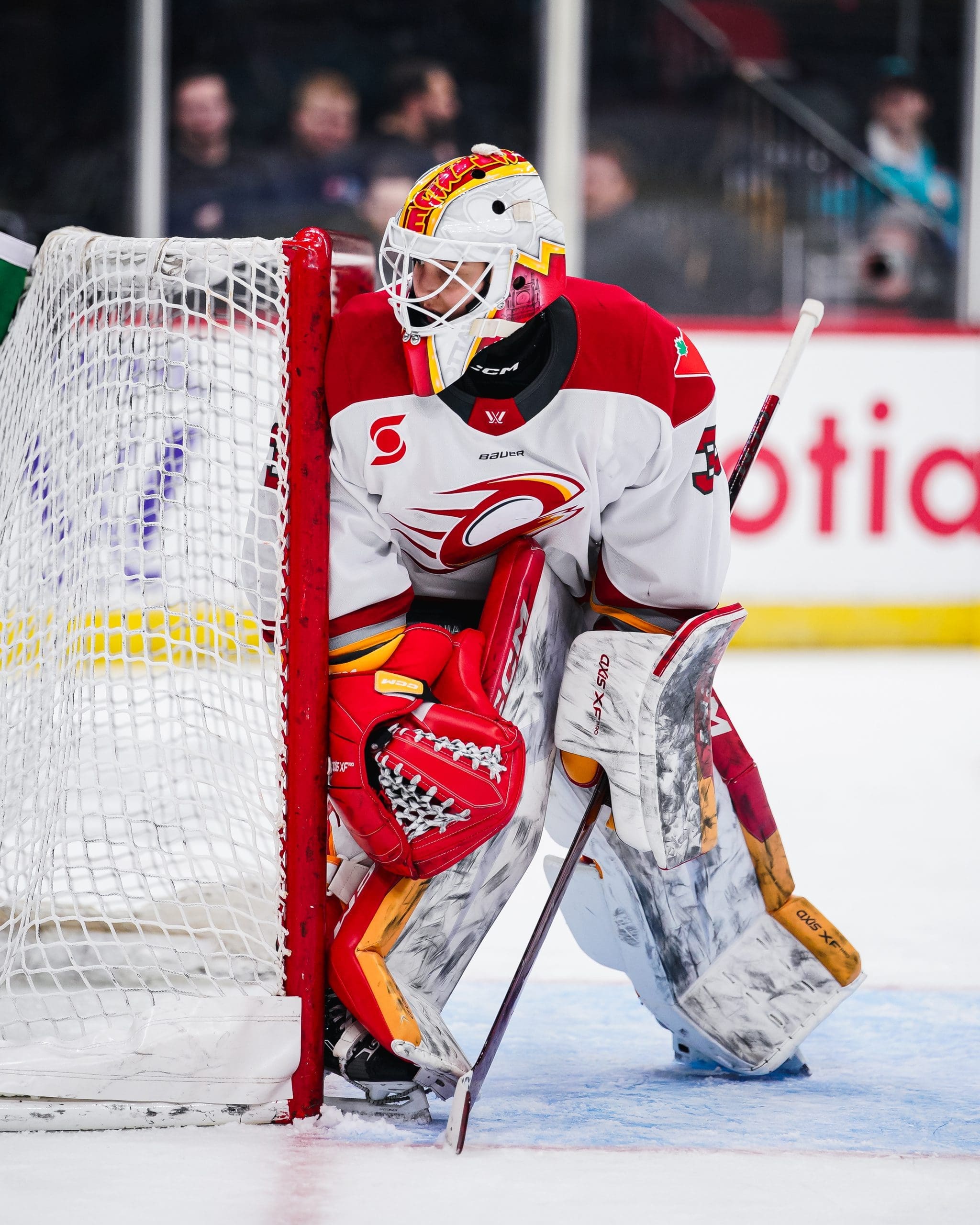
Overtime started in a short-handed scenario for Ottawa, and the Sirens couldn’t cash in. The remaining power-play time evaporated, and New York finished 1-for-7 on the night—an efficiency problem that forced them to chase the game in the first place.
Casey O’Brien had a breakaway and couldn’t convert. Ottawa countered, and Sarah Wozniewicz (3) ended it with 3:31 remaining in OT, assisted by Rebecca Leslie (6).
On Ottawa’s side, head coach Carla MacLeod gave credit where it was due—and made her own team’s third-period issues plain.
“A lot of credit to New York tonight to dig themselves out of an early hole,” MacLeod said. “They just stay with it… found a way to get a point out of this game.”
Then the warning label: “We just became soft. This league, you can’t be a soft defending group… we started to retreat and give them ice that you don’t want to give a team, which is in the spot or right in front of the crease. Made Gwen’s job too difficult this evening.”
Gwyneth Phillips still delivered the kind of performance that keeps teams alive when structure slips. Asked about the breakaways coming her way, she didn’t flinch: “Breakaways are fun. It’s part of the game. It makes things exciting. So, you know, I love them. Bring it on.”
The Real Story: Special Teams and the Middle of the Ice
Vibes didn’t decide this game. It was decided by two recurring truths:
- New York’s power play still leaves too much on the table. Fargo acknowledged it directly: “There was something left on the table for us in the first period… the missed power play opportunity for sure will be something that we look at.”
- Both teams know the slot is the battleground. Ottawa scored there early. New York finally got there late. MacLeod’s third-period critique—retreating and giving up the “spot”—was essentially the same lesson the Sirens have been learning since Year 1.
What’s Next
If the Sirens want to stop living on overtime edges, the fix list is clear:
- Power play entries and net-front presence (time isn’t enough—shots from the middle matter)
- Slot protection (too many goals against from the home-plate area)
- 3-on-3 puck management (risk control, clean changes, and possession-first decisions)
The D.C. win showed what the Sirens can be. This loss showed what they still are when execution slips: a team that can fight back, but can’t consistently close.
Want coverage that actually adds something after the final horn? Bad Dawg Sports brings you the details most outlets skip: what changed shift-to-shift, why the power play stalled, how the slot battle swung, and what the quotes really tell you about what’s next.
Subscribe to the Bad Dawg Sports Newsletter right now—just $2/year for a limited time. That’s less than a single coffee for a full year of:
- Insider-style breakdowns and clean context (no fluff, no clickbait)
- Postgame quotes + what they mean
- Schedule/roster updates you can trust
- The stories behind the story—especially for NYC teams
Lock in the $2/year deal before it’s gone:
Discover more from Bad Dawg Sports - Global Sports Coverage & Analysis
Subscribe to get the latest posts sent to your email.