

Former high school football player battled debilitating headaches for over a decade before targeting a midtown Manhattan office building
NEW YORK, NY — The deadliest mass shooting in New York City since 2000 has revealed a tragic story of chronic pain, suspected brain injury, and mental health struggles that began on high school football fields in Southern California over a decade ago.
Shane Tamura, the 27-year-old Las Vegas casino surveillance worker who killed four people, including an off-duty NYPD officer, before taking his own life on July 28, had spent years seeking medical treatment for severe headaches that he believed were connected to chronic traumatic encephalopathy (CTE) from his football playing days.
Years of Medical Treatment for Chronic Headaches
According to a source close to Tamura’s family who spoke to ESPN, the former Golden Valley High School running back had regularly consulted with neurologists and other medical professionals, undergoing yearly MRI exams and receiving various treatments, including injections in the back of his head.
The headaches began during Tamura’s high school football career and persisted into adulthood, worsening over time despite medical intervention. After moving to Las Vegas in 2019, he escalated his search for relief beyond over-the-counter medications, with doctors prescribing various medication combinations.
“As it got worse and worse, it was like, ‘OK, I have to get doctors’ help now,'” the family source told ESPN.
Medical experts indicate that Tamura likely received nerve block treatments—injections of steroids and pain medication near the base of the skull—a common intervention for severe, chronic headaches.
From High School Football Star to Casino Surveillance
Standing 5-foot-7 and weighing just 140 pounds, Tamura was known for his exceptional speed on the football field. Former teammates recall him running a 4.4-second 40-yard dash, making him a dangerous weapon in the open field despite his small stature.
During his junior year at Golden Valley High School in Santa Clarita, California, Tamura rushed for 774 yards and 11 touchdowns. However, his size meant he absorbed significant punishment from much larger defenders.
“This dude ran like a 4.4,” former teammate Duke Castillo told ESPN. “I don’t even remember him having any concussions or concussion-related injuries during our time together that had him out.”
However, another former teammate noted that Tamura “took a lot of head shots” because of his stature and position as a running back, often getting tackled by players who outweighed him by 60-plus pounds.
After transferring to Granada Hills Charter School for his senior season, Tamura eventually earned his GED and never played college football. His path led him to Las Vegas, where he worked in security and surveillance roles.
Mental Health Struggles in Las Vegas
The family source revealed that during his time in Nevada, Tamura had been treated for depression and was twice held involuntarily for mental health evaluations under Nevada’s 72-hour hold process for individuals deemed potentially dangerous to themselves or others.

Tamura’s work environment may have contributed to his isolation. Casino surveillance work is inherently solitary, with employees working separately from other staff and patrons. Industry professionals describe strict rules preventing fraternization that can negatively impact mental health.
“You can’t be seen, you can’t be heard, you can’t interact with others,” explained one Nevada casino surveillance employee who didn’t know Tamura. “So it does have, I would say, a negative effect on a person’s mental health.”
Working overnight shifts at the Horseshoe Casino on the Las Vegas Strip, Tamura would return home and sleep with ice packs on his forehead due to persistent headaches. Despite medical treatments that occasionally provided temporary relief, the chronic pain continued.
The CTE Connection and NFL Grievance
A handwritten note found in Tamura’s wallet revealed his belief that he suffered from CTE and included a grievance against the NFL. In the note, he repeatedly apologized and requested that his brain be studied for the degenerative disease, which can only be diagnosed posthumously.
CTE has been linked to repeated head trauma common in contact sports like football and has been found in the brains of numerous former NFL players. The disease can cause symptoms including depression, aggression, and cognitive decline.
The family source recalled Tamura expressing concern about younger players needing better equipment and safety measures. At least once, he mentioned believing he had CTE while acknowledging it could only be confirmed after death.
Brain experts who spoke with Bad Dawg Sports have cautioned against drawing direct connections between the shooting and CTE, noting that it could take weeks to determine whether Tamura had the disease through post-mortem examination.
Warning Signs and Legal Troubles
Tamura’s struggles weren’t limited to health issues. In September 2023, he was arrested for trespassing at the Red Rock Resort in Las Vegas after refusing to show identification while trying to collect nearly $5,000 in winnings. The incident escalated when he became “agitated” and “reached out” toward a security guard, leading to his arrest.

Prosecutors ultimately decided not to charge him, and he eventually received his winnings, according to the family source.
The Deadly Journey to New York
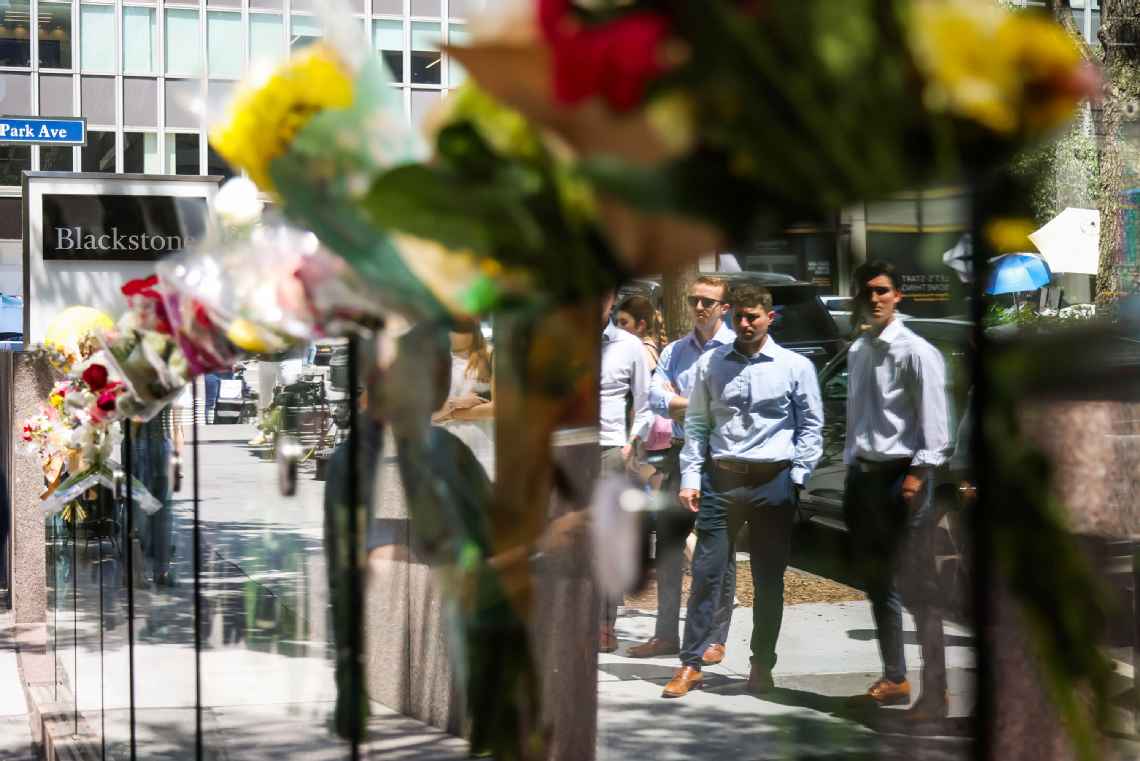
Over the weekend before the shooting, Tamura drove from Las Vegas to New York in a BMW he had purchased from his supervisor at the Horseshoe Casino. On July 28, he double-parked outside 345 Park Avenue and entered the 44-story building with an assault-style rifle just after peak rush hour.
Investigators believe Tamura was attempting to reach the NFL’s headquarters on the 39th floor but took the wrong elevator, ultimately reaching the 33rd floor where he shot his final victim before turning the gun on himself.
The victims included:
- Didarul Islam – Off-duty NYPD officer
- Wesley LePatner – Blackstone real estate executive
- Julia Hyman – Rudin Management associate
- Aland Etienne – Security officer
An NFL employee was seriously injured but survived.
Industry Response and Ongoing Investigations
NFL Commissioner Roger Goodell called the shooting “an attack on humanity” in a memo to employees. The league closed its New York offices and advised staff to work remotely in the immediate aftermath.
Law enforcement agencies, including the FBI, executed search warrants at Tamura’s Las Vegas apartment and his locker at the Paris Las Vegas Hotel & Casino. A second note was found at another Las Vegas apartment where he had lived, containing similar apologies and requests for brain study.
The Broader CTE Discussion
This tragic incident has reignited conversations about CTE, player safety, and the long-term health consequences of contact sports. Research continues to reveal the extent of brain trauma in former athletes at all levels, from professional to high school.
The case highlights the complex challenges facing former football players dealing with potential brain injuries, chronic pain, and mental health issues—problems that can persist long after their playing days end.
A Community Remembers
Former teammate Elijah McCormick, who described Tamura as a childhood best friend, expressed regret about losing touch over the years.
“Just would have told him to tell me what’s on my mind,” McCormick said. “Hopefully, I could figure out the s— together with him.”
Another former teammate, Tobenna Okunna, noted that reading Tamura’s notes reminded him of their friend’s speech patterns: “I just remember in his speech pattern, he would say sorry a lot at the end of sentences.”

The family source emphasized that Tamura’s immediate family is grieving “especially for the innocent lives that are lost,” while hoping that medical research on his brain might provide answers that could help others facing similar struggles.
Looking Forward
As investigations continue and the sports world grapples with another tragedy potentially linked to football-related brain injury, Tamura’s story serves as a stark reminder of the intersection between athletic competition, brain health, and mental wellness.
The incident underscores the need for continued research into CTE, improved support systems for former athletes dealing with chronic health issues, and better mental health resources for those struggling with the long-term effects of contact sports.
Results of brain tissue analysis could provide crucial insights into whether CTE played a role in this tragedy, potentially informing future prevention and treatment strategies for athletes at all levels.
This story will be updated as investigations continue and additional information becomes available.
Dino Luzzi Energy – Fuel Your Champion Within
From the Heart of Italy to Your Peak Performance
When the game is on the line and every second counts, champions don’t settle for ordinary fuel. Dino Luzzi Energy brings you the authentic Italian craftsmanship that has powered athletes across Europe’s most demanding competitions.
Why Elite Athletes Choose Dino Luzzi:
⚡ Premium Italian Formula – Crafted with traditional Italian precision
⚡ Clean Energy Boost – No crash, just sustained power when you need it
⚡ Natural Ingredients – Pure performance without the artificial junk
⚡ Rapid Absorption – Feel the difference in minutes, not hours
⚡ Trusted by Pros – The choice of athletes who demand excellence
“In Italy, we don’t just make energy drinks – we craft performance.”
Whether you’re dominating the pitch like our soccer stars, grinding through training like our hockey heroes, or pushing limits like our extreme sports athletes, Dino Luzzi Energy delivers the authentic Italian edge that separates winners from wannabes.
🏆 Game Time. Crunch Time. Dino Time.
Available at select retailers and online
🌐 Order Now: Order Now
📱 Follow: @DinoLuzziEnergy
Fatto in Italia. Made for Champions.
Discover more from Bad Dawg Media Group
Subscribe to get the latest posts sent to your email.