
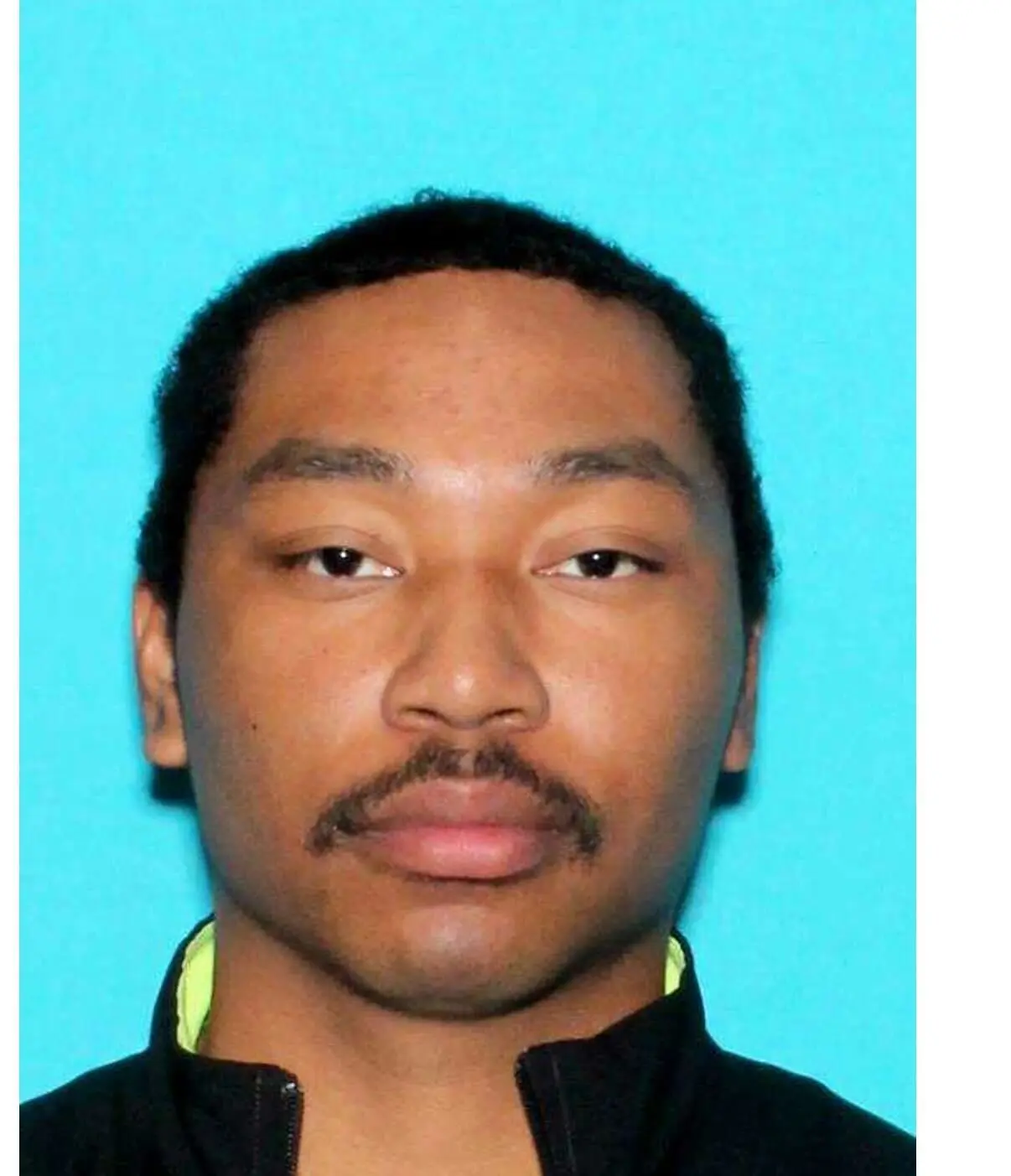
Unsealed search warrants reveal disturbing details about Shane Tamura’s preparation and mental state before targeting the NFL headquarters
New York, NY – In a chilling revelation that underscores the premeditated nature of Monday’s deadly shooting at a New York City skyscraper housing NFL offices, newly unsealed search warrants detail the extensive evidence recovered from gunman Shane Tamura’s Las Vegas apartment and workplace locker.
The documents, signed by District Court Judge Tierra Jones and obtained through law enforcement sources, paint a disturbing picture of a casino surveillance worker whose mental health struggles culminated in a targeted attack that left four dead and one critically injured.
The Evidence Trail
Police executed search warrants at two key locations tied to Tamura in the days following the shooting that shocked the sports world and sent ripples through NFL headquarters. The first warrant, dated July 29, authorized the search of Tamura’s apartment at the Paradise Royale complex in Las Vegas – a location that would yield crucial insights into the shooter’s mindset and preparation.
Among the items recovered from the apartment were several pieces of evidence that suggest extensive planning:
- A notebook containing what investigators describe as a “goodbye note”
- A rifle bipod, indicating preparation for precision shooting
- Multiple empty prescription bottles alongside related paperwork
- Additional prescription bottles containing pills
- An empty Colt gun case
- 9mm ammunition and one rifle cartridge
- A vehicle title
The second warrant, executed the following day, targeted Tamura’s No. 11 locker drawer in the hotel surveillance room on the mezzanine level of the Paris Hotel and Casino. Notably, no property was seized from this location, according to the official records.
The Shooter’s Background
Tamura worked as a surveillance employee at the Horseshoe casino, which maintains a connection to the Paris hotel through their shared ownership under Caesars Entertainment. This position would have given him intimate knowledge of security systems and surveillance protocols – skills that may have informed his attack planning.
The 28-year-old had played high school football in California approximately a decade ago but never advanced to professional levels, despite his apparent fixation on the NFL. Law enforcement sources indicate Tamura had a documented history of mental illness, though specific details remain sealed as the investigation continues.
The Attack and Its Aftermath
Investigators believe Tamura’s primary target was the NFL offices located within the Manhattan skyscraper. However, in what may have been a crucial error that prevented even greater tragedy, the gunman entered the wrong elevator bank after opening fire in the building’s lobby.
The shooting sent shockwaves through the sports community, with the NFL immediately implementing enhanced security protocols at all facilities. The timing, coming during the peak of training camp season, has forced teams and league officials to reassess security measures across the organization.
Multi-Jurisdictional Investigation
The complexity of this case, spanning multiple states and involving federal agencies, is reflected in the warrant language. Nevada law enforcement entities executed the searches, but the orders specifically state that “any and all evidence/property recovered as a result of the attached search warrant is transferred to law enforcement officers of the New York Police Department or Federal Bureau of Investigation.”
Both the NYPD and FBI were present during the searches and have assumed “care, control, and custody of the evidence for documentation,” according to the court orders. This multi-agency approach underscores the serious federal implications of an attack targeting a major sports organization’s headquarters.
Mental Health and Sports Violence
This tragic incident highlights the ongoing challenges facing individuals with mental health struggles, particularly those with connections to competitive sports. The presence of prescription medication bottles in Tamura’s apartment suggests he may have been receiving treatment, though the effectiveness and consistency of that care remain under investigation.
The sports community has increasingly recognized the importance of mental health support, particularly in light of growing awareness about conditions like CTE (Chronic Traumatic Encephalopathy) among former players. While Tamura never played professionally, his high school football background and apparent NFL obsession raise questions about the broader impact of sports culture on mental health.
Security Implications for Professional Sports
The attack has prompted immediate security reviews across professional sports organizations. The NFL, which has long maintained a relatively open headquarters environment, is now reassessing protocols that balance accessibility with safety concerns.
Industry sources indicate that other major sports leagues are conducting similar security audits, recognizing that high-profile sports organizations may be increasingly viewed as symbolic targets by individuals with grievances or mental health crises.
Looking Forward
As the investigation continues, the unsealed warrants provide crucial insight into the methodical preparation that preceded this tragic attack. The recovery of the goodbye note suggests Tamura viewed this as a final act, while the tactical equipment indicates significant planning and preparation.
The sports world continues to mourn the victims of this senseless violence while grappling with the broader implications for security and mental health support within the industry. The NFL has announced that victims will be honored before this weekend’s Hall of Fame Game, providing a moment of reflection for a community still processing this tragedy.
The investigation remains active, with federal and local authorities working to piece together the complete timeline of events that led to Monday’s shooting. As more details emerge, the sports community must confront difficult questions about security, mental health, and the responsibility that comes with being high-profile targets in an increasingly volatile world.
This story will be updated as more information becomes available. For the latest updates on this developing story and other sports news, visit bad-dawgsports.com.
NFL Related Articles:
JJ Pavlick is the owner and lead sports reporter for Bad Dawg Sports, bringing insider perspectives from his background as a former multi-sport athlete and sports industry professional. Follow @jj_pavlick for breaking sports news and analysis.
Discover more from Bad Dawg Media Group
Subscribe to get the latest posts sent to your email.


