
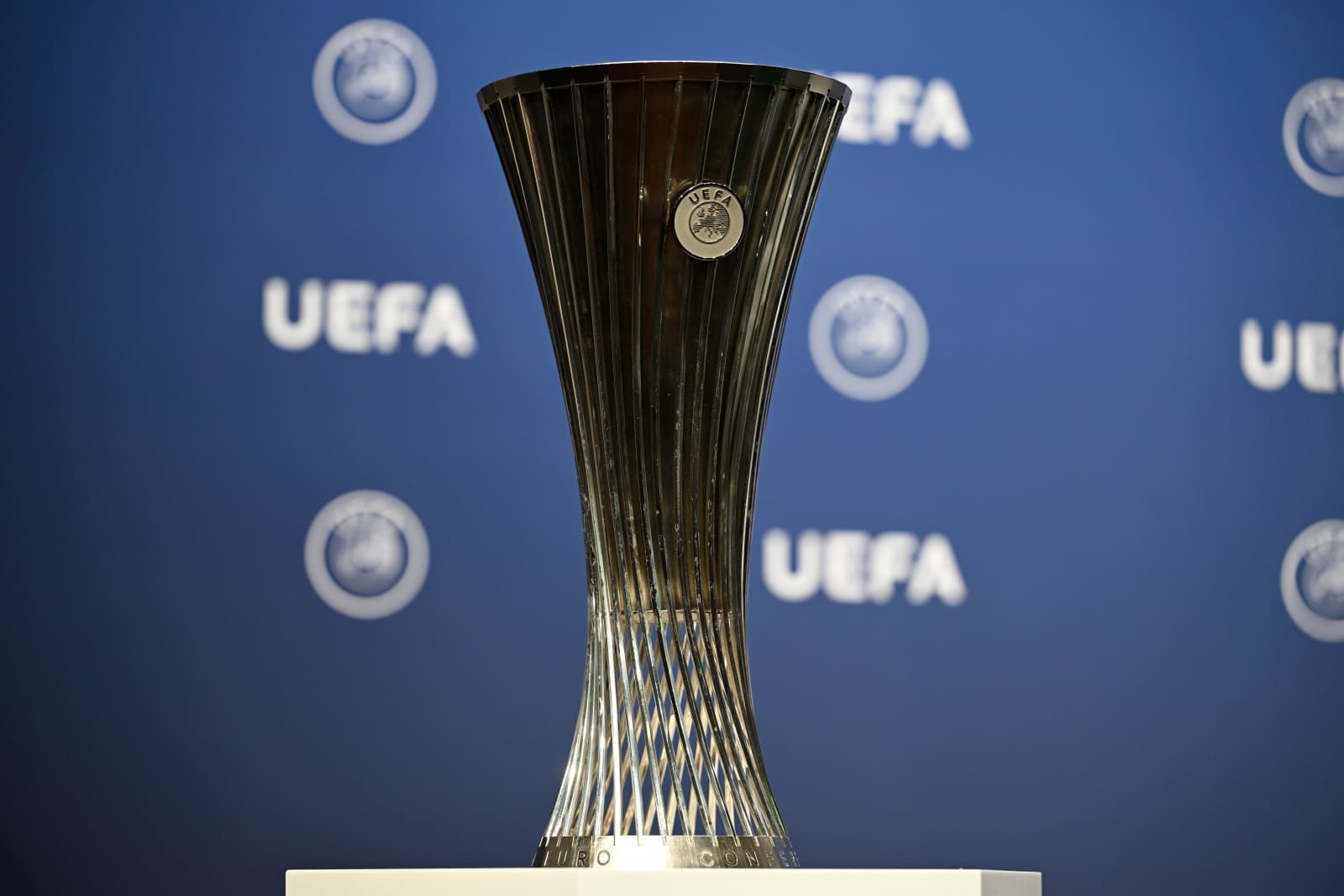
Expanded 36-team league phase transforms Europe’s premier competition with more matches, higher stakes, and enhanced fan experience
NYON, Switzerland — The UEFA Champions League has undergone its most significant transformation since its inception, implementing a revolutionary format that has redefined European club football. As the 2024/25 season approaches its climax, the new structure has delivered on its promises of enhanced competition, greater unpredictability, and more compelling matchups for fans worldwide.
The End of the Group Stage Era
The traditional 32-team group stage format, which divided clubs into eight groups of four, has been replaced by a dynamic 36-team league phase that represents the most substantial change in the competition’s 70-year history. This evolution, approved unanimously by the UEFA Executive Committee on May 10, 2022, emerged from extensive consultations with key stakeholders across European football.
“UEFA has clearly shown that we are fully committed to respecting the fundamental values of sport and to defending the key principle of open competitions, with qualification based on sporting merit,” stated UEFA President Aleksander Čeferin. “This unanimous decision proves that European football is more united than ever.”
Revolutionary League Phase Structure
Under the new format, all 36 participating clubs compete in a single league table, fundamentally altering the competitive landscape:
Match Format Changes
- Eight matches per team (increased from six)
- Eight different opponents (replacing three opponents played twice)
- Four home, four away matches for each club
- Seeded draw system ensuring two opponents from each of the four pots
This structure guarantees more diverse matchups and eliminates the possibility of “dead rubber” games that plagued the old group format.
Qualification Pathways
The new system creates multiple qualification routes:
- Top 8 teams: Automatic qualification to the Round of 16
- 9th-24th place: Two-legged knockout phase playoff
- 25th place and below: Elimination (no Europa League safety net)
Enhanced Competition Dynamics
The single league format has introduced unprecedented drama, with every match carrying significant consequences for final positioning. Unlike the previous system, where teams could secure advancement with games to spare, the new format ensures competitive integrity until the final matchday.
Strategic Implications
Teams must balance squad rotation with the need to accumulate points across eight diverse opponents. The expanded fixture list has tested squad depth while providing opportunities for emerging talents to gain valuable European experience.
Expanded Access and Allocation
The four additional Champions League spots have been strategically distributed:
- Third-place finisher from the fifth-ranked association
- Additional domestic champion through extended qualifying rounds
- Two “European Performance Spots” awarded to associations with the best collective club performance
This allocation maintains the competition’s merit-based principles while providing pathways for emerging football nations.
Calendar Integration and Broadcasting
The new format has been carefully integrated into the European football calendar:
- Champions League: September to January
- Europa League: September to January
- Conference League: September to December
- Exclusive matchweeks for each competition
- Simultaneous final matchday games for maximum drama
Traditional midweek scheduling remains intact, respecting domestic league calendars while the final continues on Saturday at a neutral venue.
Fan Experience Revolution
The format changes have delivered tangible benefits for supporters:
More Premium Matchups
Fans witness top-tier clashes earlier in the competition, with elite teams facing each other in the league phase rather than waiting for knockout rounds.
Increased Competitive Balance
Every team faces opponents across different competitive levels, creating more balanced and unpredictable encounters.
Enhanced Drama
The single league table ensures every result matters, with positions fluctuating dramatically based on each matchday’s outcomes.
Impact on European Football Ecosystem
The reforms extend beyond the Champions League, with similar changes implemented across UEFA’s club competitions:
Europa League and Conference League
Both competitions adopted the league phase format with 36 teams each:
- Europa League: Eight matches per team
- Conference League: Six matches per team (renamed from Europa Conference League)
Financial Solidarity
UEFA has reinforced its commitment to supporting clubs outside European competitions, ensuring the broader football pyramid benefits from the expanded format’s success.
Historical Context and Evolution
The Champions League’s transformation represents the latest chapter in its continuous evolution since the European Champions Clubs’ Cup launched in 1955. Previous format changes included:
- Introduction of group stages (1991/92)
- Expansion to include non-champions (1997/98)
- Current knockout format establishment (2003/04)
Each evolution has responded to changing football dynamics while preserving the competition’s core values of sporting merit and open competition.
Looking Forward
As the 2024/25 season progresses, the new format’s success is evident in increased viewership, enhanced competitive balance, and greater unpredictability. The system has achieved its primary objectives:
- More teams are competing at the highest level
- Increased quality of matches throughout the competition
- Enhanced fan engagement and commercial value
- Stronger foundation for European football’s future
The Champions League’s revolutionary format has not only transformed Europe’s premier club competition but also established a template for modern tournament design that balances tradition with innovation.
Competition Timeline
Key Dates:
- League Phase: September 2024 – January 2025
- Knockout Phase Playoffs: February 2025
- Round of 16: March 2025
- Final: May 31, 2025 (Munich)
The new Champions League format represents more than structural change—it embodies UEFA’s vision for European football’s future, ensuring the world’s most prestigious club competition continues evolving while honoring its storied legacy.
Stay ahead of every major European football development with Bad Dawg Sports – your comprehensive source for UEFA competition analysis and breaking Champions League news. ⚽🏆
For complete UEFA competition information and live coverage, visit UEFA.com
Discover more from Bad Dawg Media Group
Subscribe to get the latest posts sent to your email.