


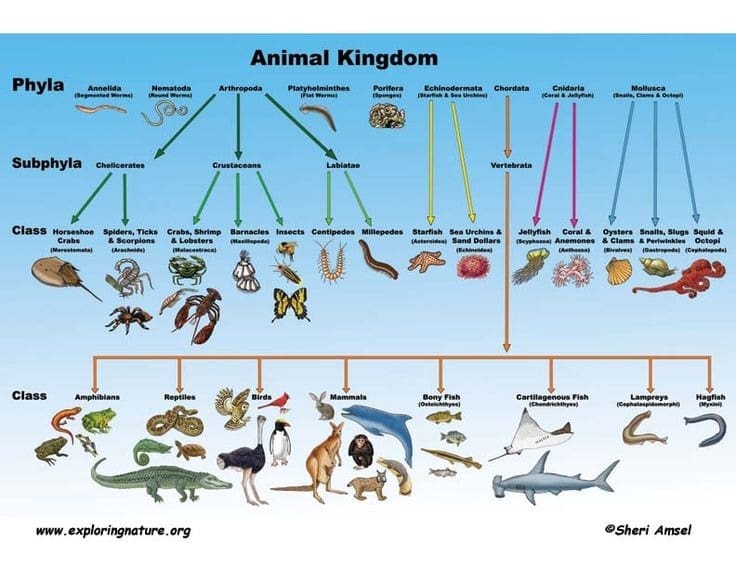
Understanding how scientists organize and study the incredible diversity of marine life—from microscopic plankton to massive whales
The vast expanse of our oceans harbors an estimated 2.2 million marine species, yet scientists have only identified about 230,000 of them. To make sense of this bewildering array of ocean life, marine biologists have developed sophisticated classification systems that serve as the foundation for research, conservation, and our understanding of aquatic ecosystems.
What is Marine Life Classification?
Marine life classification, also known as marine taxonomy, is the scientific method of organizing ocean-dwelling organisms based on their evolutionary relationships, physical characteristics, and genetic similarities. This systematic approach allows researchers to identify, name, and study marine species while discovering new ones at a rate of approximately 2,000 per year.
The Hierarchical Classification System
Marine organisms are classified using a hierarchical structure that moves from broad categories to increasingly specific groups:
- Domain (Eukarya, Bacteria, Archaea)
- Kingdom (Animalia, Plantae, Protista, Fungi)
- Phylum (Chordata, Arthropoda, Cnidaria, Mollusca)
- Class (Mammalia, Actinopterygii, Anthozoa, Gastropoda)
- Order (Cetacea, Perciformes, Scleractinia, Decapoda)
- Family (Balaenopteridae, Serranidae, Acroporidae)
- Genus (Balaenoptera, Epinephelus, Acropora)
- Species (Balaenoptera musculus – blue whale)
Major Groups of Marine Life
Marine Mammals: Air-Breathing Ocean Dwellers
Despite living in water, marine mammals maintain their warm-blooded nature and breathe air. This diverse group includes:
Cetaceans (Whales, Dolphins, Porpoises):
- Baleen whales: Filter feeders like blue whales and humpbacks
- Toothed whales: Predators including sperm whales and orcas
- Dolphins and porpoises: Highly intelligent social species
Pinnipeds (Seals, Sea Lions, Walruses):
- True seals: Streamlined swimmers like harbor seals
- Eared seals: Agile both in water and on land
- Walruses: Arctic specialists with distinctive tusks
Sirenians (Manatees and Dugongs):
- Gentle herbivores adapted to shallow coastal waters
- Critically important for seagrass ecosystem health
Fish: The Ocean’s Most Diverse Vertebrates
Fish represent the most species-rich group of marine vertebrates, with over 15,000 marine species identified:
Cartilaginous Fish (Chondrichthyes):
- Sharks: Apex predators with 500+ species
- Rays and Skates: Flattened bottom-dwellers
- Chimaeras: Deep-sea “ghost sharks”
Bony Fish (Osteichthyes):
- Ray-finned fish: 99% of all fish species
- Lobe-finned fish: Ancient lineage including coelacanths
Jawless Fish (Agnatha):
- Lampreys: Parasitic and non-parasitic species
- Hagfish: Deep-sea scavengers with unique slime production
Marine Invertebrates: The Ocean’s Hidden Majority
Comprising over 95% of marine species, invertebrates include:
Phylum Cnidaria (Corals, Jellyfish, Sea Anemones):
- Hard corals: Reef builders with calcium carbonate skeletons
- Soft corals: Flexible, tree-like structures
- Jellyfish: Free-swimming medusae with complex life cycles
- Sea anemones: Solitary polyps with powerful stinging cells
Phylum Mollusca (Shells, Squids, Octopuses):
- Gastropods: Snails and slugs (80,000+ species)
- Bivalves: Clams, oysters, and mussels
- Cephalopods: Highly intelligent octopuses, squids, and cuttlefish
Phylum Arthropoda (Crustaceans):
- Decapods: Crabs, lobsters, and shrimp
- Copepods: Most abundant multicellular animals on Earth
- Barnacles: Highly modified filter-feeding crustaceans
Phylum Echinodermata (Starfish, Sea Urchins):
- Asteroids: Sea stars with remarkable regeneration abilities
- Echinoids: Sea urchins and sand dollars
- Holothuroids: Sea cucumbers, important sediment processors
Marine Plants and Algae: Ocean Primary Producers
Seaweeds (Marine Macroalgae):
- Brown algae: Giant kelp forests and smaller species
- Red algae: Diverse group including coralline algae
- Green algae: Sea lettuce and other coastal species
Seagrasses: True flowering plants adapted to marine life
- Eelgrass: Temperate coastal species
- Turtle grass: Tropical seagrass beds
- Surfgrass: Wave-exposed rocky shores
Phytoplankton: Microscopic marine plants
- Diatoms: Glass-like silica shells, major oxygen producers
- Dinoflagellates: Many bioluminescent species
- Coccolithophores: Calcium carbonate plates, climate indicators
Marine Microorganisms: The Invisible Foundation
Marine Bacteria:
- Cyanobacteria: Ancient photosynthetic bacteria
- Chemosynthetic bacteria: Energy from chemical reactions
- Decomposer bacteria: Nutrient recycling specialists
Marine Protists:
- Foraminifera: Shelled protists with 540-million-year fossil record
- Radiolarians: Intricate silica skeletons
- Marine fungi: Decomposers and parasites
Modern Classification Methods and Technologies
Traditional Morphological Analysis
Scientists examine physical characteristics including:
- Meristic counts: Fin rays, gill rakers, vertebrae
- Morphometric measurements: Body proportions and ratios
- Anatomical structures: Bone arrangements, organ systems
- Surface textures: Scales, skin patterns, specialized structures
DNA Barcoding and Molecular Analysis
Genetic analysis has revolutionized marine classification:
DNA Barcoding: Uses standardized gene regions for species identification
- COI gene: Cytochrome oxidase I for animal identification
- rbcL gene: RuBisCO large subunit for plant identification
- 18S rRNA: Ribosomal RNA for protist classification
Molecular Phylogenetics: Reveals evolutionary relationships
- Mitochondrial DNA: Fast-evolving genes for recent divergences
- Nuclear DNA: Slower-evolving genes for deeper relationships
- Whole genome sequencing: Complete genetic blueprints
Cutting-Edge Identification Technologies
Environmental DNA (eDNA) Metabarcoding: Scientists can identify entire marine communities from water samples by detecting DNA fragments shed through:
- Skin cells and scales
- Feces and metabolic waste
- Mucus and reproductive cells
- Tissue fragments
Acoustic Classification: Sound-based identification for marine animals:
- Whale songs: Species-specific frequency patterns
- Dolphin echolocation: Unique click patterns
- Fish sounds: Drumming, croaking, and clicking
- Crustacean acoustics: Snapping shrimp and clicking sounds
Computer Vision and AI: Machine learning algorithms identify species from images:
- Pattern recognition: Fish markings and colorations
- Shape analysis: Shell and body form identification
- Behavioral analysis: Movement patterns in video
- Automated plankton identification: High-throughput microscopy
Specialized Marine Environments and Classification Challenges
Deep-Sea Classification
The deep ocean presents unique classification challenges:
Abyssal Plains (4,000-6,000m depth):
- Xenophyophores: Giant single-celled organisms up to 20cm
- Sea pigs: Specialized sea cucumbers in soft sediments
- Tripod fish: Stand on elongated fins to feed in currents
Hydrothermal Vents: Unique ecosystems with endemic species
- Tube worms: Lack digestive systems, rely on bacterial symbionts
- Vent crabs: Specialized for extreme temperatures
- Pompeii worms: Withstand temperatures up to 80°C
Classification Challenges:
- Extreme isolation leads to high endemism
- Difficult access limits specimen collection
- Many species known from single specimens
- Rapid evolution in isolated communities
Polar Marine Classification
Arctic Specializations:
- Ice algae: Diatoms living within sea ice
- Arctic cod: Antifreeze proteins prevent ice formation
- Polar bears: Marine mammals due to ice-dependent lifestyle
Antarctic Endemism:
- Notothenioid fish: 90% of Antarctic fish species
- Antarctic krill: Single species supports entire ecosystem
- Ice fish: Lack hemoglobin, have antifreeze compounds
Coral Reef Classification
Coral reefs harbor 25% of marine species in less than 1% of ocean area:
Reef-Building Corals:
- Staghorn corals: Fast-growing branching species
- Brain corals: Massive dome-shaped colonies
- Table corals: Flat, plate-like growth forms
Reef Fish Diversity:
- Wrasses: Over 600 species with complex life cycles
- Gobies: Most diverse fish family with 2,000+ species
- Angelfish: Colorful species with specialized diets
Why Marine Classification is Critically Important
1. Biodiversity Conservation and Protection
Accurate classification enables effective conservation strategies:
Species-Specific Protection: Understanding distinct species allows targeted conservation efforts. For example, genetic analysis revealed that killer whales comprise multiple species, each requiring different protection strategies.
Red List Assessments: Proper classification enables conservation status evaluation:
- Critically Endangered: Vaquita porpoise (fewer than 30 individuals)
- Endangered: North Atlantic right whale (approximately 340 individuals)
- Vulnerable: Many shark species due to overfishing
Marine Protected Area Design: Classification informs protected area boundaries based on:
- Endemic species hotspots with unique evolutionary history
- Migration corridors used by classified species
- Critical habitats like spawning aggregation sites
2. Ecosystem Management and Fisheries
Food Web Understanding: Classification reveals ecological relationships crucial for ecosystem management. Knowing that certain fish are keystone predators helps managers make informed decisions about fishing quotas.
Sustainable Fisheries: Accurate species identification prevents:
- Overfishing of vulnerable species
- Inadequate protection of commercially important stocks
- Bycatch of endangered species
Stock Assessments: Proper classification ensures:
- Accurate population monitoring
- Sustainable harvest levels
- Protection of breeding populations
3. Medical and Biotechnological Discoveries
Marine organisms produce unique compounds with pharmaceutical potential:
Drug Discovery: Classification helps researchers:
- Track which species produce specific bioactive compounds
- Identify related species with similar properties
- Develop sustainable sourcing strategies
Biotechnology Applications:
- Antifreeze proteins from polar fish for food preservation
- Bioluminescent proteins for medical imaging
- Antimicrobial compounds from marine bacteria
4. Climate Change Research and Monitoring
Classification provides the foundation for understanding climate impacts:
Species Distribution Tracking: Monitoring how species respond to changing conditions:
- Range shifts: Species moving to new latitudes and depths
- Phenology changes: Altered timing of life cycle events
- Community composition: Changes in species assemblages
Ocean Health Indicators: Classified species serve as:
- Sentinel species: Early warning systems for environmental change
- Ecosystem indicators: Measures of overall ocean health
- Carbon cycle components: Understanding marine carbon storage
Coral Bleaching Research: Classification helps scientists:
- Identify heat-tolerant coral species
- Understand symbiotic algae relationships
- Develop reef restoration strategies
5. Invasive Species Management
Accurate identification prevents ecological disasters:
Early Detection: Rapid identification of non-native species enables:
- Quick response to new invasions
- Prevention of establishment
- Targeted removal efforts
Ballast Water Management: Classification helps:
- Screen ballast water for harmful species
- Identify high-risk source regions
- Develop treatment protocols
Impact Assessment: Understanding invasive species relationships:
- Predicting ecological impacts
- Identifying vulnerable native species
- Developing control strategies
The Microscopic Majority: Plankton Classification
Phytoplankton: Ocean Primary Producers
Diatoms (Bacillariophyta):
- Over 100,000 species with intricate glass-like shells
- Responsible for 20% of global oxygen production
- Critical indicators of ocean health and climate change
Dinoflagellates:
- Complex life cycles with multiple forms
- Many species cause harmful algal blooms
- Bioluminescent species create spectacular displays
Coccolithophores:
- Calcium carbonate plates visible from space
- Major contributors to marine carbon cycle
- Sensitive to ocean acidification
Zooplankton: The Ocean’s Grazers
Copepods: Most abundant multicellular animals on Earth
- Over 13,000 described species
- Key link between phytoplankton and larger animals
- Vertical migration affects global carbon transport
Krill: Keystone species in marine food webs
- Antarctic krill: Single species supports whales, seals, penguins
- North Pacific krill: Critical for salmon and seabird populations
- Climate-sensitive species indicating ecosystem changes
Future Frontiers in Marine Classification
Metagenomics Revolution
Ocean Microbiome Studies: Discovering millions of new microbial species through:
- Whole community sequencing: Analyzing entire microbial ecosystems
- Functional classification: Grouping organisms by ecological roles
- Global ocean surveys: Mapping microbial diversity worldwide
Challenges and Opportunities:
- Horizontal gene transfer: Complicating traditional evolutionary trees
- Unculturable species: Most marine microbes cannot be grown in labs
- Functional diversity: Understanding what organisms do, not just what they are
Climate Change Adaptations
Classification systems must adapt to rapidly changing oceans:
Range Shifts: Species moving to new environments
- Poleward migrations: Tropical species expanding ranges
- Depth changes: Species moving to cooler deep waters
- Seasonal timing: Altered migration and reproduction patterns
Evolutionary Responses:
- Rapid evolution: Some species evolving within decades
- Hybridization: Climate stress causing species boundaries to blur
- Local adaptation: Populations adapting to new conditions
Space-Age Technologies
New tools expanding classification capabilities:
Satellite Remote Sensing:
- Ocean color: Tracking phytoplankton blooms from space
- Sea surface temperature: Monitoring habitat changes
- Ocean productivity: Measuring primary production globally
Autonomous Systems:
- Underwater vehicles: Continuous deep-sea monitoring
- Sensor networks: Real-time environmental data
- Robotic samplers: Automated specimen collection
Real-Time Analysis:
- Portable DNA sequencers: Instant species identification at sea
- AI-powered cameras: Automated species recognition
- Acoustic monitoring: Continuous marine animal tracking
Conservation Success Stories Through Classification
Marine Mammal Recovery
Gray Whale Conservation: Proper classification revealed two distinct populations:
- Eastern Pacific: Recovered from near extinction
- Western Pacific: Critically endangered, different conservation needs
Manatee Protection: Classification helped identify:
- Florida manatees: Distinct subspecies requiring warm water refugia
- Antillean manatees: Separate Caribbean populations needing protection
Coral Reef Restoration
Coral Classification Advances: Understanding coral diversity enables:
- Heat-tolerant varieties: Identifying climate-resilient species
- Genetic rescue: Using genetic diversity for restoration
- Assisted evolution: Developing climate-adapted corals
Fisheries Management Success
Bluefin Tuna Classification: Recognizing three distinct species enabled targeted management:
- Atlantic Bluefin: Strict quotas and spawning area protection
- Pacific Bluefin: International cooperation between Japan and Mexico
- Southern Bluefin: Global management through international commission
Rockfish Recovery: Classification of over 100 rockfish species allowed:
- Species-specific harvest limits
- Essential fish habitat designation
- Rebuilding plans for overfished stocks
Challenges and Limitations in Marine Classification
The Deep Sea Frontier
Exploration Limitations:
- Less than 5% of oceans explored
- Each deep-sea expedition reveals new species
- Extreme environments limit access and study time
- High cost of deep-sea research vessels and equipment
Specimen Preservation:
- Pressure changes destroy soft-bodied organisms
- Many deep-sea species never reach surface alive
- Limited storage capacity on research vessels
- DNA degradation in extreme conditions
Microscopic Diversity Challenges
Scale of Microbial Diversity:
- Estimated 1 billion marine microbial species
- Most cannot be cultured in laboratories
- Rapid generation times complicate classification
- Horizontal gene transfer blurs species boundaries
Technical Limitations:
- DNA extraction from small organisms
- Distinguishing living from dead cells
- Separating environmental contamination
- Processing massive genetic datasets
Climate-Driven Classification Changes
Shifting Baselines:
- Species distributions changing faster than research
- Historical classification data becoming outdated
- New hybrid zones forming between species
- Local extinctions altering community structure
Taxonomic Inflation vs. Lumping:
- Splitting: Tendency to describe new species from slight variations
- Lumping: Combining similar species that may be distinct
- Cryptic species: Genetically distinct but morphologically identical
- Phenotypic plasticity: Same species looking different in different environments
Economic Impact of Marine Classification
Commercial Fisheries Value
Global Market Impact:
- $362 billion annual global fisheries value
- Proper classification prevents mislabeling fraud
- Species-specific market pricing
- Traceability requirements for international trade
Aquaculture Applications:
- Selective breeding programs require accurate classification
- Disease management through genetic understanding
- Hybrid development for improved traits
- Escapee impact assessment on wild populations
Biotechnology and Pharmaceuticals
Marine Natural Products:
- $4.7 billion marine biotechnology market
- Classification guides bioprospecting efforts
- Patent applications require species identification
- Sustainable sourcing depends on population assessments
Examples of Commercial Success:
- Ziconotide: Pain medication from cone snail venom
- Cytarabine: Cancer drug from Caribbean sponge
- Omega-3 supplements: From classified algae species
- Cosmetic ingredients: From marine bacteria and algae
Educational and Outreach Applications
Public Aquariums and Marine Parks
Species Display and Education:
- Accurate labeling builds public trust
- Conservation messaging tied to classification
- Breeding programs require genetic management
- Research partnerships with classification institutions
Citizen Science Programs:
- iNaturalist: Public species identification platform
- Reef Check: Volunteer coral reef monitoring
- FishBase: Global fish species database
- Ocean Biogeographic Information System: Marine biodiversity data
Marine Biology Education
Curriculum Development:
- Classification as foundation for marine science
- Hands-on identification exercises
- Field guide development and use
- Technology integration in classrooms
Career Pathways:
- Marine taxonomist positions
- Museum curator roles
- Conservation biologist careers
- Biotechnology research opportunities
International Cooperation in Marine Classification
Global Databases and Standards
World Register of Marine Species (WoRMS):
- Authoritative classification system
- 240,000+ marine species names
- International editorial board
- Regular updates and revisions
Ocean Biogeographic Information System (OBIS):
- Global marine biodiversity database
- 45 million distribution records
- Integration with classification systems
- Open access for researchers worldwide
International Treaties and Agreements
Convention on Biological Diversity:
- Global biodiversity targets
- Classification essential for monitoring
- Traditional knowledge integration
- Benefit-sharing from genetic resources
CITES (Convention on International Trade in Endangered Species):
- Trade regulation requires accurate identification
- Appendix listings based on classification
- Enforcement depends on species recognition
- Regular review of conservation status
Future Directions and Emerging Technologies
Artificial Intelligence and Machine Learning
Automated Species Identification:
- Computer vision: Image-based species recognition
- Acoustic analysis: Sound-based identification algorithms
- Genetic barcoding: Automated DNA sequence analysis
- Behavioral recognition: AI analysis of movement patterns
Predictive Modeling:
- Species distribution modeling under climate change
- Invasion risk assessment for non-native species
- Ecosystem service valuation based on species composition
- Conservation priority mapping using classification data
Nanotechnology Applications
Miniaturized Sensors:
- Lab-on-a-chip: Portable genetic analysis
- Biosensors: Real-time species detection
- Nano-tags: Tracking individual organisms
- Smart sampling: Automated specimen collection
Space Technology Integration
Satellite-Based Monitoring:
- Hyperspectral imaging: Detailed ocean color analysis
- Synthetic aperture radar: Ocean surface monitoring
- GPS tracking: Marine animal movement patterns
- Communication networks: Real-time data transmission
Conclusion: The Future of Marine Classification
Marine life classification stands at a revolutionary crossroads. As we face unprecedented challenges from climate change, pollution, and overexploitation of ocean resources, our ability to understand, monitor, and protect marine biodiversity depends entirely on robust and evolving classification systems.
The integration of traditional morphological methods with cutting-edge genetic technologies, artificial intelligence, and global databases is revolutionizing the way we discover, identify, and understand marine species. Every newly classified organism represents not just a scientific achievement, but a crucial piece in the complex puzzle of ocean life that sustains our planet.
Key Takeaways for the Future:
- Technology Integration: The combination of DNA barcoding, AI-powered identification, and satellite monitoring will accelerate species discovery and monitoring.
- Climate Adaptation: Classification systems must evolve to track rapidly changing species distributions and evolutionary responses to environmental change.
- Conservation Priority: Accurate classification remains the foundation for effective marine conservation, from protecting individual species to managing entire ecosystems.
- Economic Value: The economic benefits of marine classification—from sustainable fisheries to biotechnology discoveries—justify continued investment in taxonomic research.
- Global Cooperation: International collaboration through shared databases and standardized methods will be essential for understanding ocean-wide patterns of biodiversity.
- Public Engagement: Citizen science and educational programs will expand our capacity for species monitoring while building public support for marine conservation.
As we venture deeper into the ocean’s mysteries and face the challenges of a changing planet, marine classification will continue to serve as our compass for navigating the incredible diversity of life in our blue world. The next breakthrough in understanding marine biodiversity—whether it’s a new deep-sea species, a climate-adapted coral, or a microbe with pharmaceutical potential—depends on the solid foundation of classification science that connects every organism to the grand tree of marine life.
The ocean’s blueprint is still being written, and marine classification provides the language for that ongoing story of discovery, understanding, and conservation that will determine the future of our planet’s most significant and most vital ecosystem.
About the Author: This comprehensive guide to marine classification was created to help readers understand the critical importance of organizing and studying ocean biodiversity. For more marine science content and global sports coverage, visit Bad Dawg Sports.
Discover more from Bad Dawg Media Group
Subscribe to get the latest posts sent to your email.


