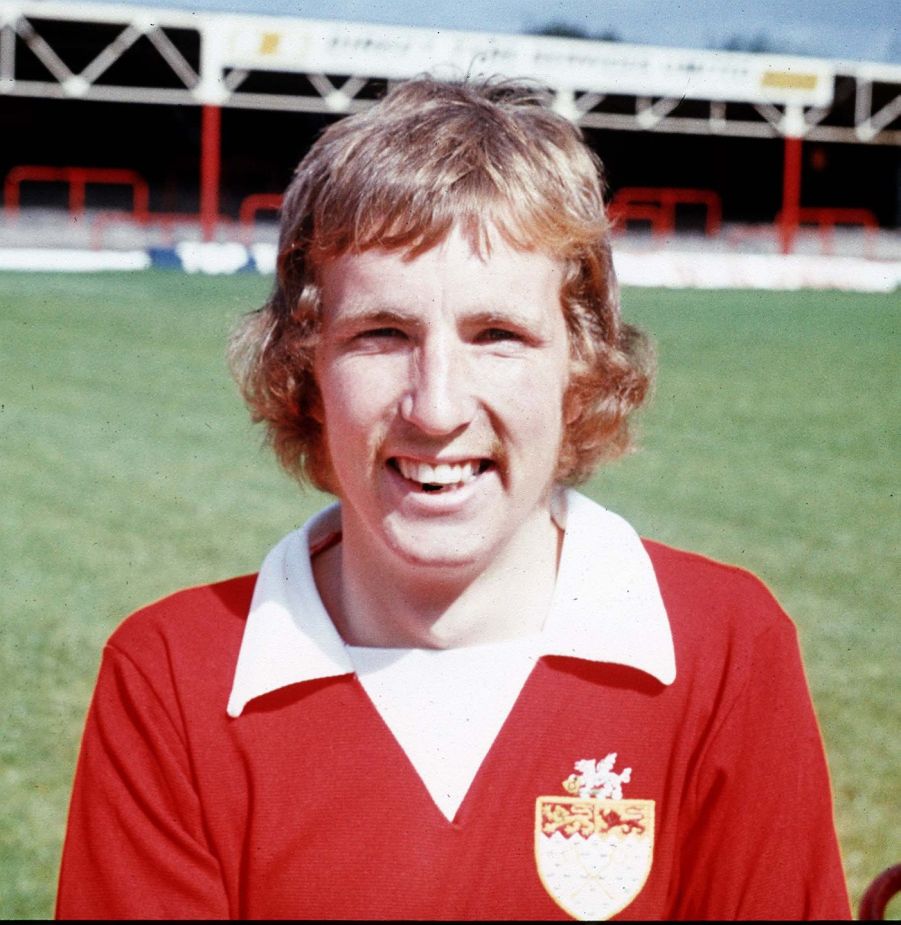
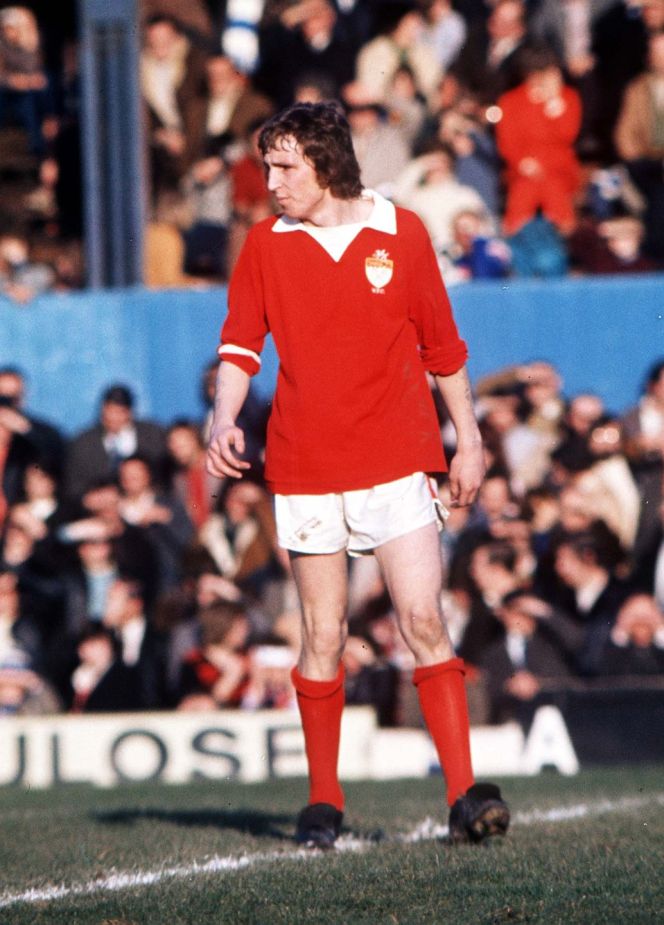
The football world has lost one of its most beloved figures with the passing of Joey Jones, affectionately known as “Mr. Wrexham,” who died in the early hours of Tuesday morning at age 70 following a courageous battle with illness.
Jones’ extraordinary half-century association with Wrexham AFC represents one of the most enduring love affairs in football history—a testament to loyalty, dedication, and unwavering commitment that transcends the modern game’s commercial landscape.
From Llandudno to Liverpool: A Champion’s Journey
Born in Llandudno in 1955, Jones’ football odyssey began when he first signed for Wrexham in 1971. His senior debut came in January 1973 at just 17 years old in a Welsh Cup fixture against Chester—a moment that would mark the beginning of an unbreakable bond with the club.
After more than 100 appearances for Wrexham, Jones’ talent caught the attention of Liverpool, who secured his services in July 1975. It was at Anfield where Jones achieved football immortality, becoming part of the legendary Liverpool team that dominated European football in the 1976/77 season.
The pinnacle came in Rome’s Olympic Stadium, where Liverpool defeated Borussia Mönchengladbach 3-1 in the European Cup Final. It was here that Liverpool supporters unfurled the now-iconic banner: “Joey Ate The Frog’s Legs, Made The Swiss Roll, Now He’s Munching Gladbach”—a tribute that perfectly captured Jones’ fearless, no-nonsense defending and his connection with the Kop.
The Homecoming: A Record-Breaking Return
In 1978, Jones made the emotional decision to return to his beloved Wrexham, with the club paying a record transfer fee that stood until 2021—a testament to his value both as a player and symbol of the club’s ambitions.
His second spell proved even more significant than his first. Jones was instrumental during Wrexham’s four seasons in the second tier, making 185 appearances and scoring nine goals. His leadership and experience were crucial as the club reached its highest level of competition in history.
The Chelsea Years and Final Return
Following relegation in 1982, Jones joined former Wrexham manager John Neal at Chelsea, where he helped the Blues avoid relegation before contributing to their Second Division title triumph in 1983/84. After spells with Chelsea and Huddersfield Town—where he was named Player of the Season—Jones completed his playing circle by returning to Wrexham for a third time in 1987.
Under the guidance of former teammate Dixie McNeil, Jones experienced a remarkable Indian summer in his career. The 1988/89 season saw him score nine goals in 56 games as Wrexham reached the play-off final, earning selection to the PFA Team of the Year—recognition of his enduring quality and professionalism.
Beyond the Pitch: A Lifetime of Service
Jones’ transition from player to coach was seamless, as he became a player-coach under Brian Flynn, a role he held until he retired from first-team football in 1992. His final tally of 479 appearances and 22 goals for Wrexham tells only part of his story.
For another 25 years, Jones continued to shape young talent through his work with both the first team and youth setups. His brief stint as interim manager between Flynn’s departure and Denis Smith’s arrival demonstrated the trust and respect he commanded throughout the club.
Even after officially retiring from his coaching duties in 2017, Jones couldn’t stay away. He returned as Youth Team Ambassador in 2021, remaining a regular presence at the STōK Cae Ras alongside his great friend and former teammate Mickey Thomas.
International Recognition
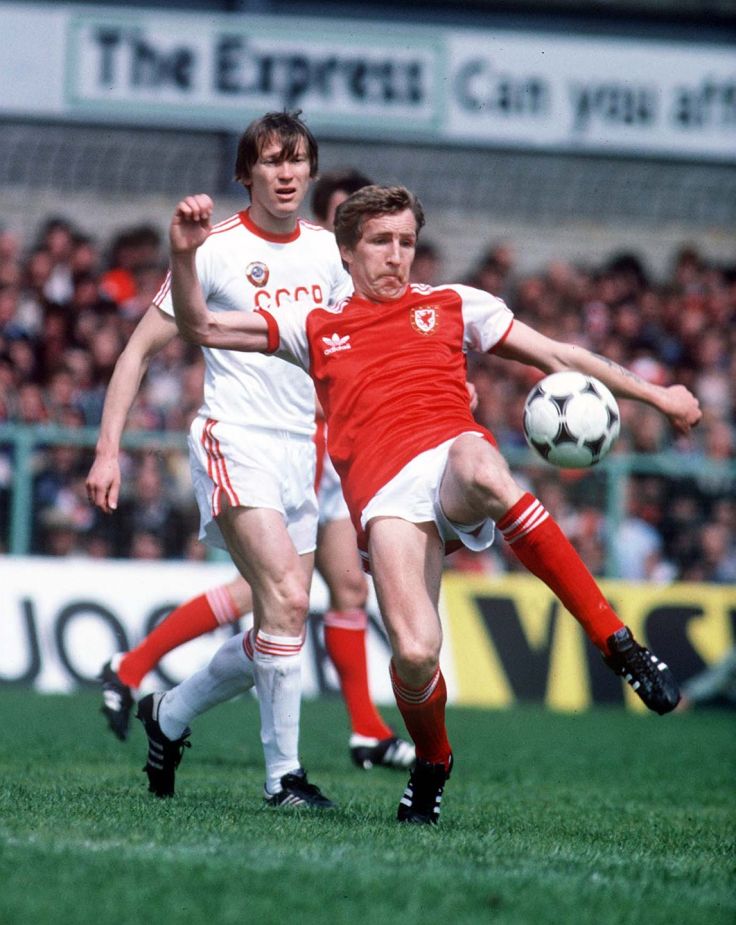
Jones’ talents weren’t confined to club football. Between 1975 and 1986, he earned 72 caps for Wales, scoring once for his country. His international career coincided with some of the most successful periods in Welsh football history, and his defensive solidity was a cornerstone of the national team setup.
A Lasting Legacy
Wrexham AFC’s planned tribute speaks volumes about Jones’ impact. The club will commission a statue to be placed in the public plaza outside the new Kop Stand, ensuring his legacy remains accessible to all fans. The plaza will also house the sister wheel of the Gresford Colliery wheel, commemorating the miners who perished in the 1934 disaster—a fitting tribute to community, remembrance, and the values Jones embodied.
More Than a Player: A Symbol of Loyalty
In an era where player loyalty is increasingly rare, Joey Jones embodied something pure about the soul of football. His three separate spells with Wrexham weren’t just career moves—they were homecomings, each motivated by genuine love for the club and community that shaped him.
Colin Henrys, who broke the news of Jones’ passing, captured the sentiment perfectly: “A true Club legend, on and off the pitch, with time for everybody he met, Joey will be greatly missed by all who knew him.”
The football world has lost not just a talented defender and dedicated coach, but a gentleman who understood that football’s most significant victories aren’t always measured in trophies, but in the lives touched and communities served.
Joey Jones leaves behind a legacy that transcends statistics—a reminder that in football, as in life, coming home sometimes means everything.
Rest in peace, Mr. Wrexham. Your watch has ended, but your legacy will endure forever.
Discover more from Bad Dawg Sports - Global Sports Coverage & Analysis
Subscribe to get the latest posts sent to your email.