



Las Vegas– The United States Men’s National Team delivered a commanding 3-0 victory over Mexico in the CONCACAF Nations League semifinal at Allegiant Stadium in Las Vegas, but what should have been a celebration of tactical excellence was overshadowed by the controversial announcement of Gregg Berhalter’s return as head coach.
Perfect Storm in Sin City
The atmosphere in Las Vegas was electric as fans from both nations packed Allegiant Stadium for one of soccer’s most heated rivalries. The stakes couldn’t have been higher – a spot in the Nations League final and bragging rights in the region’s most important matchup.
B.J. Callaghan took charge of his first match as interim head coach, replacing Anthony Hudson, who had performed admirably in his brief tenure before moving on to new opportunities. The timing seemed perfect for the young coach to make his mark on the biggest stage.
However, just as the national anthems were about to begin, The Athletic dropped a bombshell that would dominate the narrative: Gregg Berhalter would be reinstated as USMNT head coach despite widespread criticism of his previous tenure.
First Half Brilliance Despite Berhalter’s Announcement
The United States started aggressively, with captain Christian Pulisic immediately showcasing the attacking flair that had been missing under previous tactical approaches. The Chelsea winger danced through Mexico’s backline with ease early on, though his first clear chance sailed high over the crossbar.
Pulisic wouldn’t be denied for long. In the 37th minute, Captain America converted a more difficult opportunity to give the United States a deserved 1-0 lead, finishing with the clinical precision that has made him one of the world’s most dangerous attackers.
The first half also provided a glimpse of Gio Reyna’s immense talent – a player whose World Cup experience had been marred by off-field controversies under the previous coaching regime. Reyna’s creativity and vision were on full display, suggesting what might have been possible with proper man-management.
Timothy Weah, Sergiño Dest, and Weston McKennie all contributed to a fluid, attacking display that created multiple scoring opportunities. The tactical approach under Callaghan was notably more adventurous and creative than fans had grown accustomed to seeing.

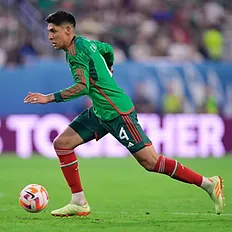
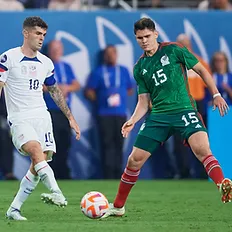
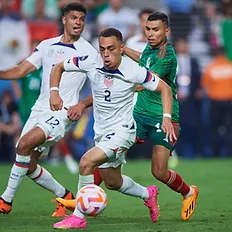
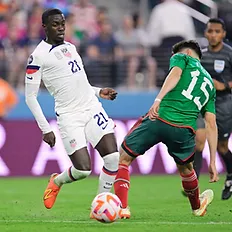
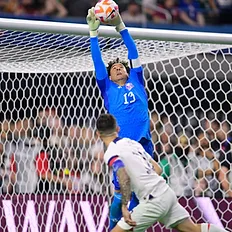
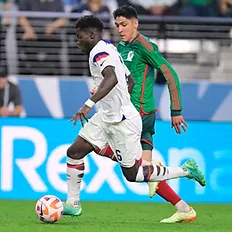
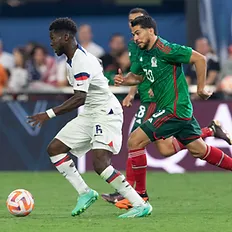
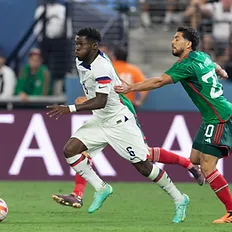
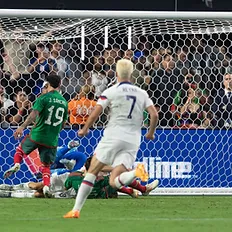
Mexico’s Edson Álvarez dribbling. Credit: Concacaf.com Christian Pulisic, USMNT Captain. On the ball 1 v 1 with a Mexico defender. Credit: Concacaf.com USMNT Sergio Dest Dribbling. Credit: Bad Dawg Sports Tim Weah Dribbles past Israel Reyes of Mexico. Credit: Concacaf.com Francisco Guillermo Ochoa Magaña, better known as MEMO, is the goalkeeper for Mexico. Credit: Concacaf.com Yunus Musah dribbling. Credit: Concacaf.com Yunus Musah dribbling past a Mexican defender. Credit: Concacaf.com Yunus Musah dribbling past a Mexican defender, getting fouled. Credit: Concacaf.com Christian Pulisic, USMNT Captain. Credit: Concacaf.com Gio Reyna USMNT Midfielder. Credit: Concacaf.com
Halftime Controversy Over Berhalter’s Announcement
Despite the brilliant soccer on display, halftime commentary focused almost exclusively on Berhalter’s impending return rather than the team’s tactical evolution or individual performances. The timing of the announcement seemed particularly tone-deaf, robbing players and staff of their moment in the spotlight.
For Mexico, the first half exposed significant tactical deficiencies. El Tri looked disorganized and struggled to cope with the United States’ pace and movement, with their supporters beginning to voice frustration before the break.
Second Half Dominance and Chaos
The second half saw the United States extend its dominance while the match descended into controversy due to poor officiating and escalating tensions.
Weah’s pace proved devastating as he embarked on a 40-yard run before delivering a perfect cross to Pulisic, who had easily outpaced his marker to double the lead. The 2-0 scoreline prompted the familiar “Dos a Cero” chants from the traveling American support.
The match’s defining moment came in the 69th minute when Mexico’s César Montes received a straight red card. The incident sparked a melee involving multiple players, with McKennie at the center of the controversy. After having his jersey torn in the scuffle, McKennie delivered an iconic moment by kissing the United States crest in defiance of the hostile crowd – a gesture that will be remembered as one of the most powerful displays of national pride in USMNT history.
McKennie was subsequently sent off upon returning to the field with a new jersey, meaning he’ll miss the final against Canada. The decision appeared harsh given the circumstances of the altercation.
Tres a Cero Completed and Tarnished by Berhalter
Ricardo Pepi capped the victory in the 78th minute with a skillful finish that completed the 3-0 scoreline. The young striker’s goal sparked the traditional “Tres a Cero” chants that have become synonymous with American victories over their southern neighbors.
Sergiño Dest was also controversially sent off late in the match, reducing the United States to nine men but not affecting the final result. Mexico’s Gerardo Arteaga joined the list of ejected players, highlighting how the match had deteriorated from a tactical battle into a physical confrontation.
Homophobic Chants By Mexican Fans Force Stoppage
The match was marred by repeated homophobic chants from sections of the Mexican support, directed at goalkeeper Matt Turner during goal kicks. Despite FIFA protocols requiring match stoppages for such incidents, the referee initially failed to take action.
Only after the third instance of discriminatory chanting did the official properly enforce the anti-discrimination protocols, briefly stopping play and issuing stadium warnings. The incident highlighted ongoing issues with fan behavior that continue to plague the rivalry.
Post-Match Reactions Tell the Story
Television coverage immediately shifted focus to Berhalter’s return, with most analysts expressing skepticism about the decision. Only Clint Dempsey appeared reluctant to criticize the appointment directly.
Perhaps most telling were the reactions of current players during post-match interviews. Both Pepi and Weah appeared uncomfortable when asked about their former coach’s return, their body language contradicting diplomatic public statements. The contrast between their confident on-field performances and tentative responses about Berhalter spoke volumes about the team’s true feelings.
Tactical Analysis: What Could Have Been
Under Callaghan’s guidance, the United States displayed the creativity, pace, and tactical flexibility that had been largely absent during Berhalter’s previous tenure. The team played with freedom, took risks, and created chances through dynamic movement and quick passing combinations.
The performance raised questions about what this talented generation might achieve under different tactical guidance. With the 2026 World Cup on home soil representing a generational opportunity, the decision to revert to a coach who was tactically outmaneuvered at the 2022 World Cup – particularly against the Netherlands – appears questionable.
Looking Ahead With Berhalter Back
The United States advances to face Canada in the Nations League final, though they’ll do so without McKennie and Dest due to their red cards. However, if this performance is any indication, the depth and quality of the current player pool should be sufficient to secure the trophy.
The real question remains whether this level of tactical sophistication and attacking freedom will survive Berhalter’s return after the Gold Cup. Based on his previous tenure, the creative, high-tempo approach that made this victory so impressive may be replaced by the more conservative, possession-heavy style that characterized his earlier time in charge.
For now, American soccer fans can celebrate a dominant victory over their biggest rival while wondering what might have been possible with continued tactical evolution under different leadership.
USMNT Related Articles:
- USMNT Gets Thrilling Equalizer Against Mexico Late
- USMNT Heads to Semifinals of Concacaf Nations League
- USMNT Dominates Grenada 7-1 in Group Stage
Bad Dawg Sports: Your insider source for USMNT coverage with comprehensive match analysis and exclusive insights from former athlete perspectives.
Discover more from Bad Dawg Sports - Global Sports Coverage & Analysis
Subscribe to get the latest posts sent to your email.