Jesús Ferreira’s late equalizer preserves unbeaten streak in heated rivalry clash
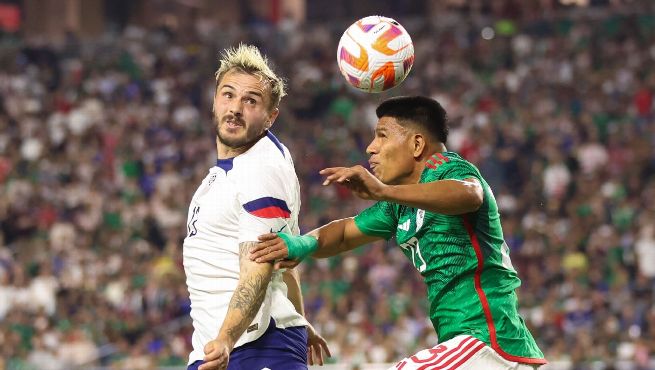
GUADALAJARA, Mexico – The United States Men’s National Team extended its remarkable unbeaten streak against Mexico to seven matches with a dramatic 1-1 draw in the CONCACAF Nations League semifinal at Estadio Akron, as Jesús Ferreira’s 81st-minute equalizer canceled out Mexico’s early advantage in a match that showcased both teams’ evolving identities.
Match Overview: Tale of Two Halves
Mexico dominated the opening period, taking a deserved lead through their clinical finishing, while the United States struggled to find rhythm in their 4-2-3-1 formation against Mexico’s aggressive 3-5-2 setup. The second half told a different story, with the Americans showing the resilience that has defined this generation under head coach Gregg Berhalter.
Key Players Who Shined in Draw
Jesús Ferreira (USA) emerged as the hero with his perfectly timed equalizer, demonstrating the composure and positioning that make him such a valuable asset in crucial moments. The FC Dallas striker’s movement in the box and clinical finish under pressure exemplified his growing importance to the national team setup.
Sean Johnson (USA) proved crucial between the posts, making several vital saves to keep the United States in contention when Mexico threatened to extend their lead. His distribution and command of the penalty area provided the foundation for the American comeback.
Sergiño Dest (USA) offered a consistent attacking threat down the right flank, providing width and pace that stretched Mexico’s defense throughout the match. His defensive work rate and ability to transition quickly between phases proved vital.
For Mexico, their early goal scorer capitalized on excellent buildup play, showcasing the technical quality that has long defined El Tri’s approach to these rivalry matches.
Players Who Struggled in The Draw With Mexico
Brandon Vázquez (USA) found himself isolated for large portions of the match, struggling to hold up play and create opportunities for his teammates. The striker’s inability to provide a consistent outlet limited the Americans’ attacking options in the first half.
Matt Miazga (USA) appeared uncomfortable against Mexico’s pace and movement, particularly in the opening 45 minutes when El Tri created their best opportunities. His positioning and decision-making under pressure raised questions about the defensive structure.
Several Mexican players failed to maintain their early intensity, allowing the United States to grow into the match as the game progressed.
Tactical Analysis: Formation Battle
Mexico’s 3-5-2 formation initially caused problems for the American 4-2-3-1, with the wing-backs providing numerical superiority in wide areas while the front two stretched the U.S. center-back pairing. However, Berhalter’s halftime adjustments proved crucial, with the Americans finding better balance between defensive solidity and attacking ambition.
The United States’ midfield trio of James Sands, Kellyn Acosta, and the attacking midfielder struggled early to control the tempo but gradually imposed themselves on the match. Mexico’s inability to maintain its high press allowed the Americans more time on the ball in dangerous areas.
Key Moments That Defined the Match
Mexico’s Opening Goal (First Half): Clinical finishing from a well-worked move that exposed gaps in the American defensive structure, setting the tone for Mexico’s early dominance.
Johnson’s Crucial Saves: Multiple interventions from the U.S. goalkeeper prevented Mexico from extending their advantage during their period of control.
Ferreira’s Equalizer (81st minute): The defining moment came when persistent American pressure finally paid off. Ferreira’s positioning and finish demonstrated the quality that has made him indispensable in big matches.
Late Drama: Both teams created half-chances in the closing stages, with Mexico pushing for a winner while the United States defended their valuable point with determination.
Strategic Implications
The result maintained the psychological advantage the United States has built over their traditional rivals, extending an unbeaten run that has redefined this historic rivalry. For Mexico, the performance showed both their continued quality and their struggle to break down a well-organized American defense.
The match highlighted the evolution of both programs, with the United States showing the mental fortitude to respond to adversity while Mexico demonstrated they remain capable of matching their northern neighbors in technical quality and tactical sophistication.
Looking Forward
This draw reinforced the United States’ position as the region’s dominant force while proving Mexico remains a formidable opponent capable of pushing the Americans to their limits. The tactical battle showcased two teams with clear identities and the quality to compete at the highest level.
The result sets up intriguing possibilities for future encounters, with both nations continuing to develop young talent capable of maintaining this rivalry’s intensity and quality for years to come.
USMNT Related Articles:
- USMNT Advances to Semifinals of Concacaf Nations League
- USMNT Dominates Grenada 7-1
- USMNT Frustrated by Colombia
Stay ahead of the competition with Bad Dawg Sports – your source for global sports news that goes beyond the headlines.
Get exclusive insights, breaking news, and the stories others can’t tell you. From locker room conversations to press conference revelations, we bring you authentic sports journalism from a former athlete’s perspective.
🔥 Don’t miss out on insider coverage:
- Subscribe to our newsletter for exclusive content delivered straight to your inbox
- Follow @jj_pavlick for live updates and behind-the-scenes access
- Visit www.bad-dawgsports.com for complete coverage of soccer, hockey, basketball, and more
What others can’t tell you, we deliver daily.
Bad Dawg Sports – bringing sports to the world regardless of age, sex, or political beliefs
Discover more from Bad Dawg Sports - Global Sports Coverage & Analysis
Subscribe to get the latest posts sent to your email.