Defensive lapses and attacking struggles expose major concerns ahead of tournament preparations
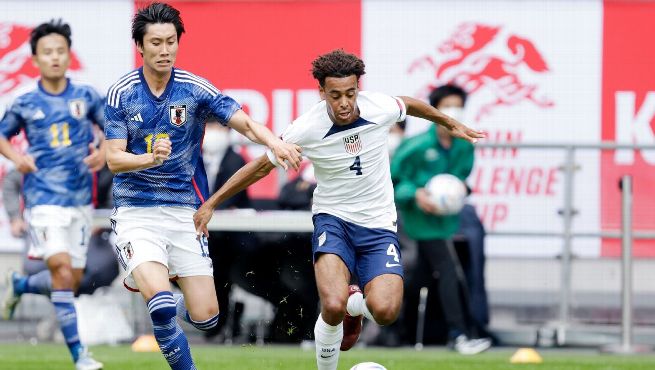
Düsseldorf, Germany – The United States Men’s National Team suffered a disappointing 2-0 defeat to Japan in an international friendly that raised serious questions about the team’s readiness for major tournament competition. The lackluster performance highlighted ongoing tactical issues and execution problems for Gregg Berhalter’s squad.
Match Summary
Japan controlled the tempo throughout the match, capitalizing on two key moments to secure a comfortable victory over a USMNT side that struggled to create meaningful scoring opportunities. The Samurai Blue’s clinical finishing and organized defensive structure proved too much for an American team lacking creativity and cohesion.
Goal Analysis
Japan’s two-goal advantage came through well-worked moves that exposed defensive vulnerabilities in the USMNT setup. The goals highlighted the team’s ongoing struggles with defensive positioning and communication, issues that have plagued recent performances.
Key Moments:
- First Goal: Japan exploited space down the flanks to create the opening
- Second Goal: Poor defensive marking allowed Japan to double its advantage
- USMNT Response: Limited to half-chances and speculative efforts
Tactical Breakdown
United States (4-3-3)
The USMNT’s formation failed to provide adequate midfield control or attacking width. The disconnect between defensive and attacking phases left the team vulnerable in transition while offering little threat going forward.
Areas of Concern:
- Midfield Control: Unable to dictate tempo or create rhythm
- Defensive Shape: Poor positioning led to both goals
- Attacking Fluidity: Lacked creativity and movement in the final third
- Set Pieces: Failed to capitalize on dead-ball opportunities
Japan (4-2-3-1)
Japan’s compact defensive shape and quick transitions proved highly effective against the USMNT’s predictable attacking patterns. Their ability to press high and win possession in dangerous areas created multiple scoring opportunities.
Individual Performances
Several USMNT players struggled to make their mark on the match, with the midfield particularly failing to provide the service and control needed for effective attacking play.
Performance Analysis:
- Goalkeeper: Made several saves but couldn’t prevent either goal
- Defense: Poor communication and positioning throughout
- Midfield: Overrun by Japan’s pressing and movement
- Attack: Isolated and ineffective without quality service
World Cup Implications
This comprehensive defeat raises serious concerns about the USMNT’s tournament readiness. The inability to compete with Japan’s intensity and tactical discipline suggests significant work is needed before facing elite opposition in World Cup competition.
Critical Issues:
- Tactical Flexibility: Struggled to adapt when the initial game plan failed
- Mental Resilience: The Team appeared to lose confidence after falling behind
- Technical Execution: Poor passing and first touches under pressure
- Defensive Stability: Vulnerable to organized attacking movements
Statistical Analysis
The 2-0 scoreline reflected Japan’s dominance across multiple statistical categories:
- Possession: Japan controlled the majority of the ball
- Shots: Limited USMNT to a few clear scoring opportunities
- Passing Accuracy: Japan’s superior technical execution is evident
- Defensive Actions: USMNT struggled to win possession in attacking areas
Looking Ahead
With major tournament competition approaching, the USMNT coaching staff faces urgent questions about tactical approach and player selection. This performance suggests fundamental issues that require immediate attention.
Priority Areas:
- Defensive Organization: Must improve communication and positioning
- Midfield Creativity: Need players capable of unlocking organized defenses
- Attacking Movement: Requires better coordination between attacking players
- Mental Preparation: Building confidence for high-pressure situations
Coaching Perspective
The defeat will force Gregg Berhalter to reassess his tactical approach and potentially make significant changes to both personnel and system. The team’s next friendlies become crucial for rebuilding confidence and addressing the exposed weaknesses.
The performance against Japan serves as a stark reminder of the work required to compete at the highest international level, with time running short before major tournament competition begins.
Related Bad Dawg Sports USMNT Coverage:
- USMNT Salvages Crucial Point in Muddy El Salvador Stalemate
- USMNT Loses 2-1 to Turkey Despite Early McGlynn Goal
- USMNT Suffers 4-0 Defeat to Switzerland Ahead of Gold Cup
For exclusive USMNT analysis, tactical breakdowns, and comprehensive international soccer coverage, subscribe to Bad Dawg Sports’ premium newsletter.
Discover more from Bad Dawg Sports - Global Sports Coverage & Analysis
Subscribe to get the latest posts sent to your email.