


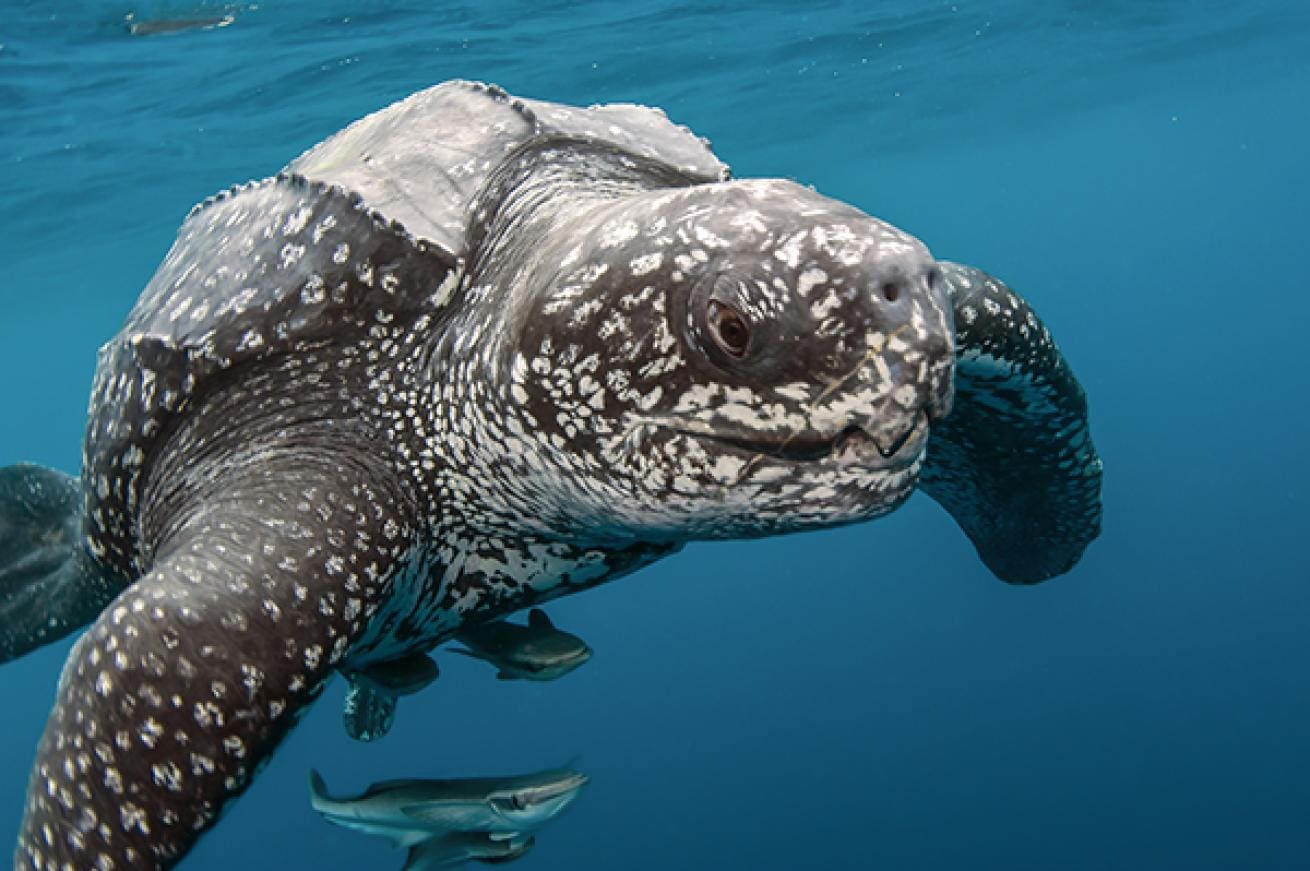
Introduction
In the vast blue heart of our planet, gliding silently beneath the waves, live some of the ocean’s most ancient and graceful creatures—sea turtles. These reptiles have been swimming Earth’s seas for over 110 million years, surviving mass extinctions, shifting continents, and the rise of human civilization.
Today, sea turtles captivate scientists, divers, and conservationists alike—not only for their beauty but for their critical role in maintaining marine ecosystems. Yet, they face unprecedented threats in the modern age.

Ancient Mariners
There are seven species of sea turtles, including the green, loggerhead, hawksbill, Kemp’s ridley, olive ridley, flatback, and the massive leatherback—the largest of them all. These remarkable reptiles are found in oceans worldwide, migrating thousands of miles between feeding grounds and nesting beaches.
Despite their aquatic lives, all sea turtles must return to land to lay their eggs, often on the very same beaches where they were born—a phenomenon called natal homing.

Ecological Role
Sea turtles are keystone species, meaning their presence is critical for the health of marine environments. For example:
- Green sea turtles help maintain healthy seagrass beds through grazing.
- Leatherbacks feed on jellyfish, helping control jellyfish populations.
- Hawksbill turtles consume sponges that would otherwise overtake coral reefs.
Without sea turtles, many marine ecosystems would become unbalanced or collapse entirely.

Caption: The hawksbill turtle (Eretmochelys imbricata) has a sharp beak used to extract sponges from reefs.
Threats to Survival
Despite their resilience through the ages, sea turtles now face critical threats due to human activity, such as:
- Plastic pollution: Turtles often mistake plastic bags for jellyfish.
- Fishing nets: Thousands drown each year as bycatch.
- Climate change: Rising sand temperatures can skew hatchling sex ratios (warmer sands produce more females).
- Coastal development: Destroying nesting beaches.
All seven species are listed under the Established in 1964, the International Union for Conservation of Nature (IUCN) Red List, ranging from vulnerable to critically endangered.

A Sea Turtle entrapped in Plastic waste. Mandatory Credit: National Geographic A Sea Turtle entrapped in Plastic waste. Mandatory Credit: National Geographic A Sea Turtle entrapped in Plastic waste. Mandatory Credit: National Geographic A Sea Turtle entrapped in Plastic waste. Mandatory Credit: National Geographic

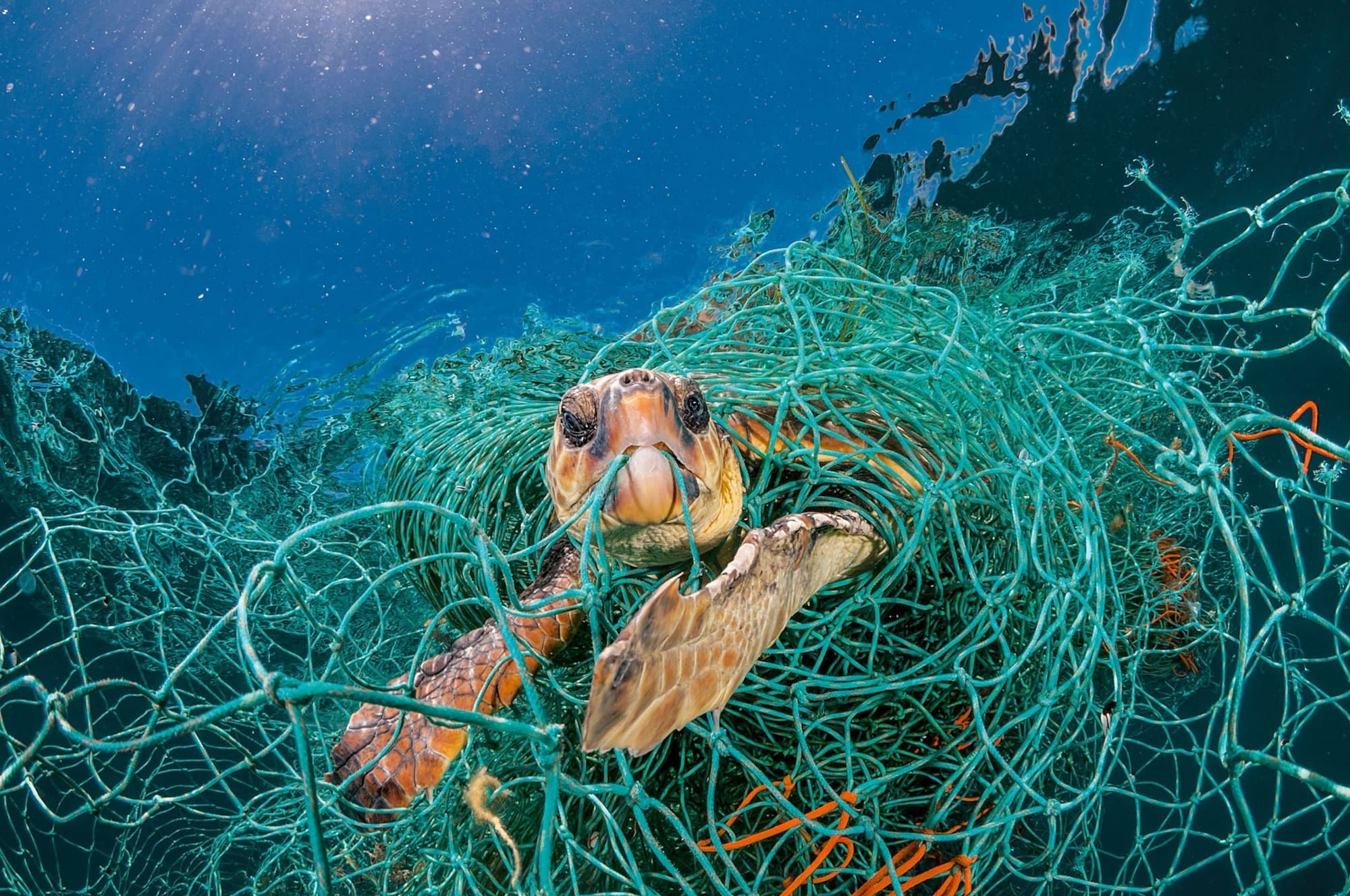


Marine debris, such as plastic bags and fishing lines, poses a deadly hazard to sea turtles of all ages.
Hope and Conservation
The tide is turning, thanks to global conservation efforts. Protected nesting areas, bycatch-reducing fishing gear, and community-led education programs have all contributed to the slow recovery of several populations.
Organizations such as the Sea Turtle Conservancy, the World Wide Fund for Nature (WWF), ARCHELON, the Sea Turtle Protection Society of Greece, and local coastal groups work tirelessly to protect these creatures and their habitats.
Caption: Conservation groups often protect turtle nests and help hatchlings make their way safely to the ocean.
What You Can Do
Even small actions can make a big difference:
- Avoid single-use plastics.
- Use turtle-safe lighting near beaches.
- Support eco-tourism and conservation charities.
- Keep beaches clean and dark during nesting season.
Conclusion
Sea turtles are more than just symbols of the sea—they are guardians of marine ecosystems, evolutionary marvels, and a poignant reminder of our responsibility to protect the natural world. With awareness, action, and compassion, we can ensure these ancient mariners continue their ocean journeys for generations to come.
Discover more from Bad Dawg Media Group
Subscribe to get the latest posts sent to your email.


